Early Stress Detection
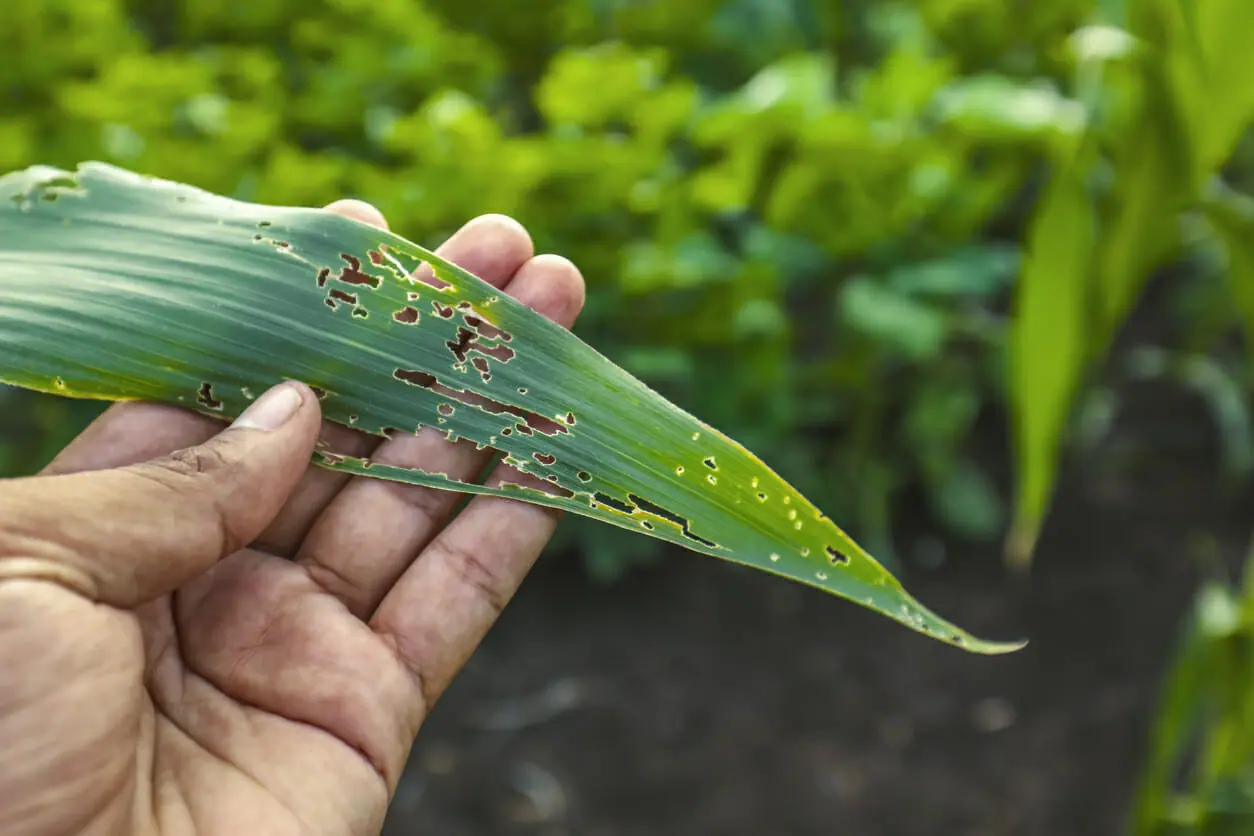
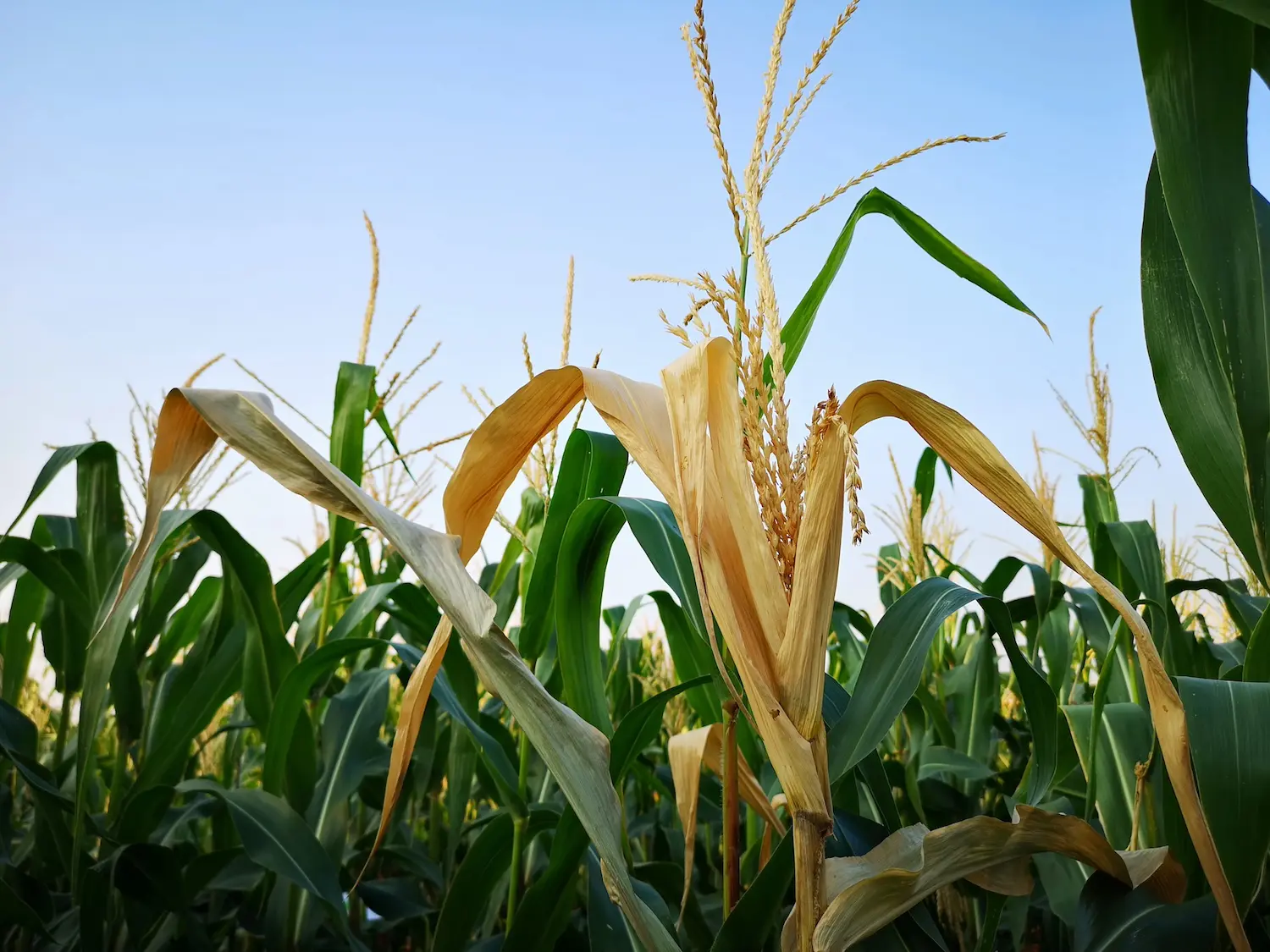
In high-value crops, stress can develop quickly and unevenly, with early impacts on yield potential, crop uniformity, and final quality. Factors such as water availability, nutrition, disease pressure, and environmental conditions can affect different areas of a crop well before symptoms are clearly visible from the ground.
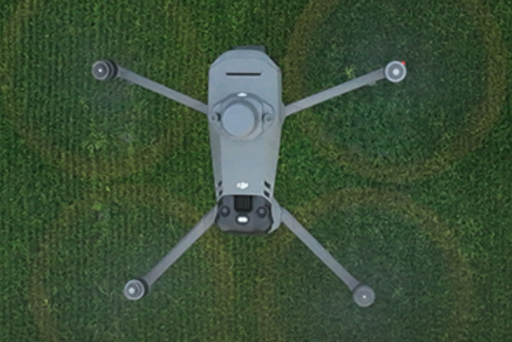
Early stress detection uses frequent, targeted drone surveys to identify subtle changes in crop vigour across fields, blocks, or beds. By providing a consistent aerial view, the service highlights areas that are beginning to diverge from expected performance, allowing issues to be recognised earlier than would typically be possible through ground inspection alone.
The purpose of the service is not to diagnose problems automatically, but to support better prioritisation. Clear visibility helps growers and agronomists focus inspection, sampling, and intervention where it is most likely to be needed, protecting crop quality while avoiding unnecessary blanket action.
Service Overview
Surveys are scheduled at intervals that reflect the crop type, growth stage, and known risk periods. This higher-frequency approach allows changes in crop condition to be tracked over time, rather than relying on isolated snapshots.
Outputs highlight zones that are changing more rapidly or falling behind expected performance. These areas can then be prioritised for closer inspection, targeted sampling, or early intervention, helping to manage risk before issues become widespread.
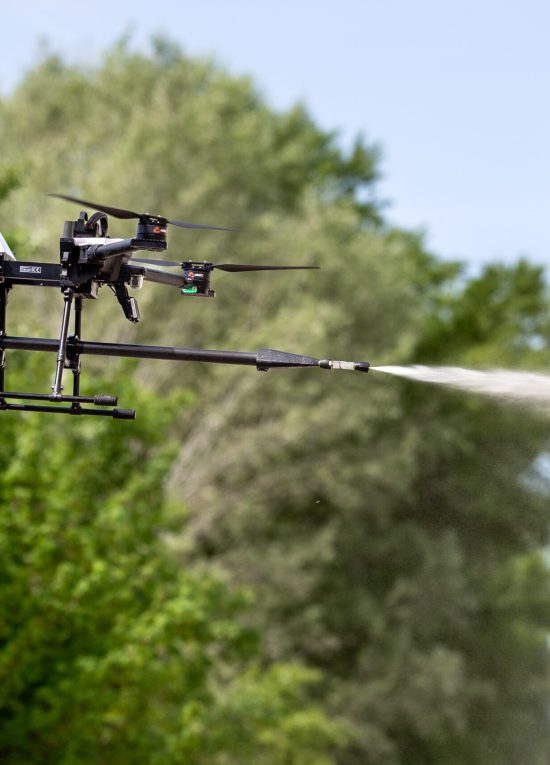
Where appropriate, insights from early stress detection can also inform operational decisions such as targeted spraying, irrigation adjustment, or greenhouse shading. The service supports these decisions by providing clearer evidence of where action is justified, while leaving control firmly with the grower and agronomist.
Benefits of Services
Frequent aerial surveys make it easier to spot subtle changes in crop vigour before they are obvious at ground level, increasing the window of opportunity for effective response.
By highlighting priority areas, the service helps direct field walking, sampling, and follow-up actions to where they are most needed, rather than spreading effort evenly across the crop.
Clear visual context supports decisions around when and where to intervene, reducing the likelihood of unnecessary blanket treatments while still protecting crop performance.
For multi-block or multi-site operations, early stress detection provides a consistent view across locations, helping ensure issues are identified and addressed in a uniform way.
Repeat surveys create a visual record that can be reviewed during and after the season, supporting learning, discussion with advisors, and refinement of future strategies.