Drone Spraying
Applying crop protection products efficiently can be challenging where access is limited, terrain is difficult, or conventional machinery risks crop damage. Headlands, wet patches, steep areas, and sensitive zones often require alternative approaches to ensure treatments are applied safely and effectively.
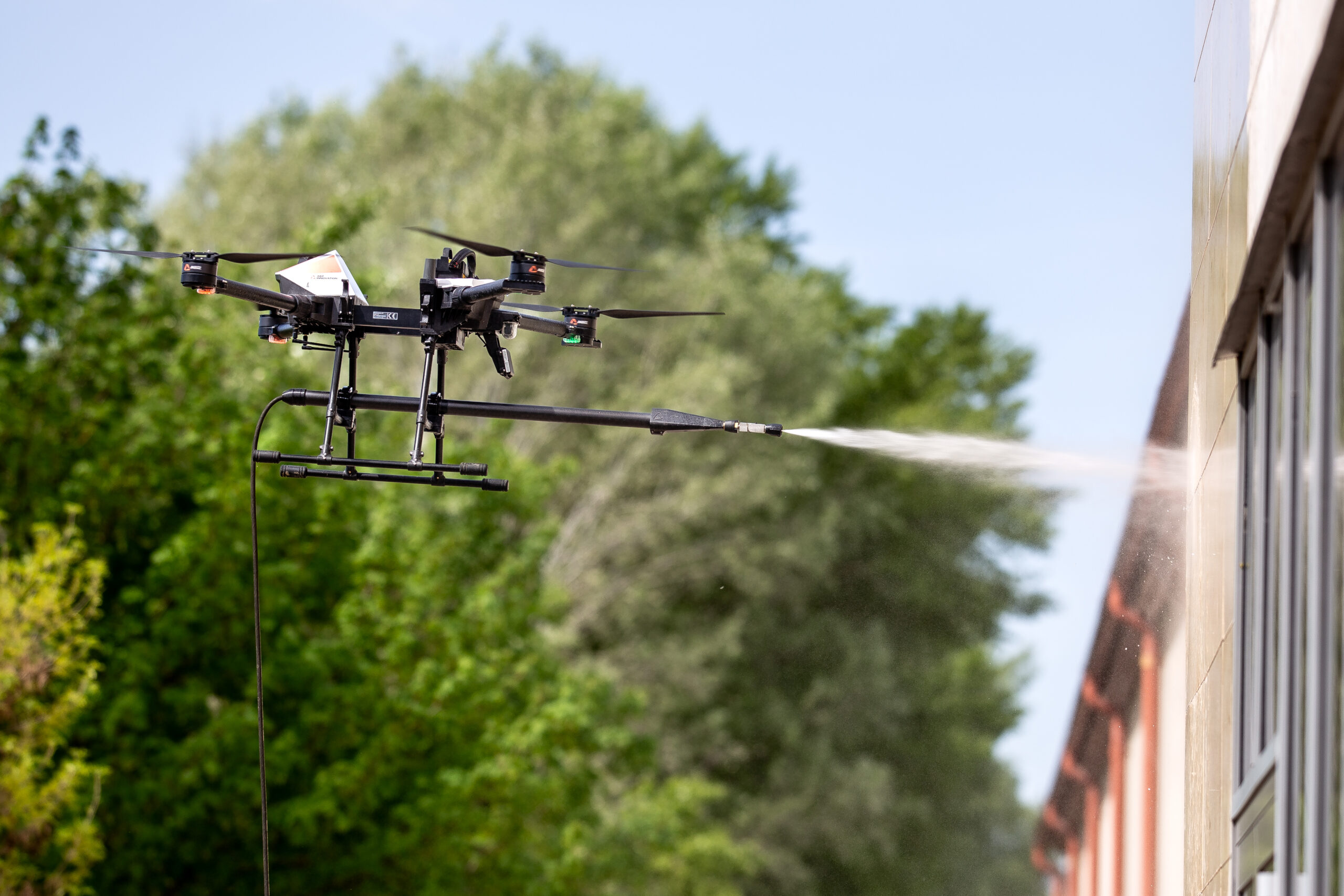
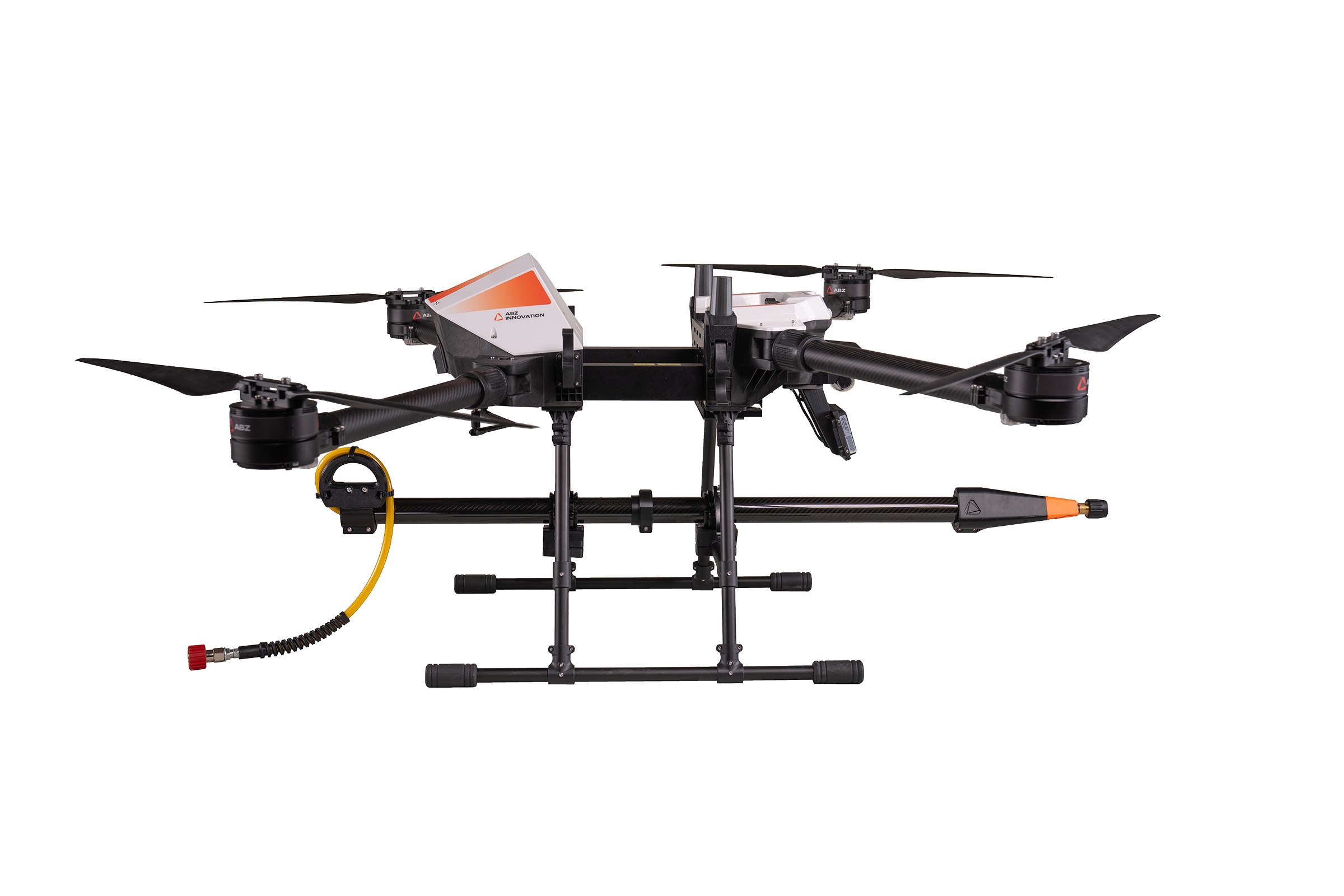
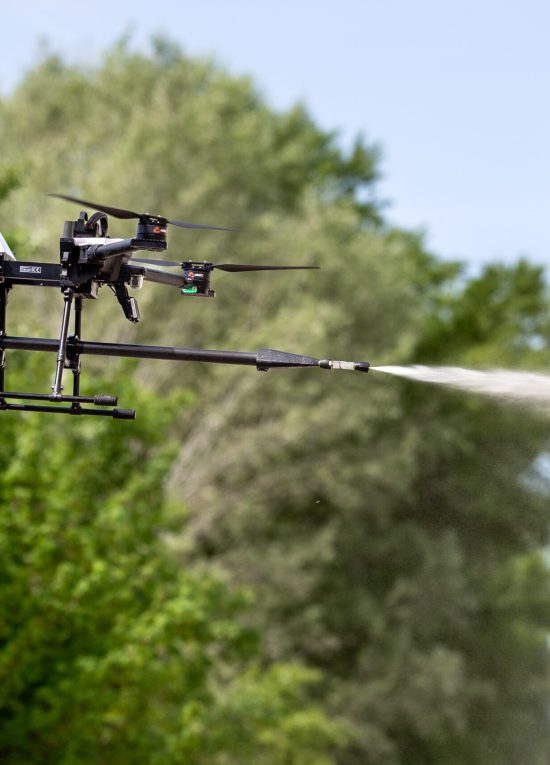
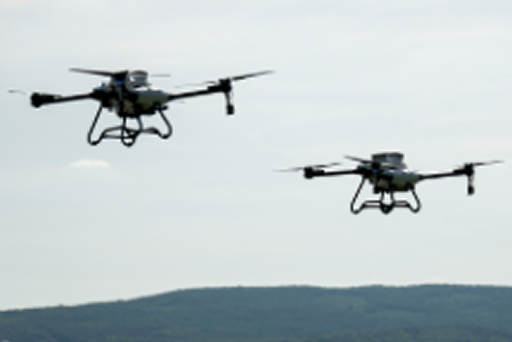
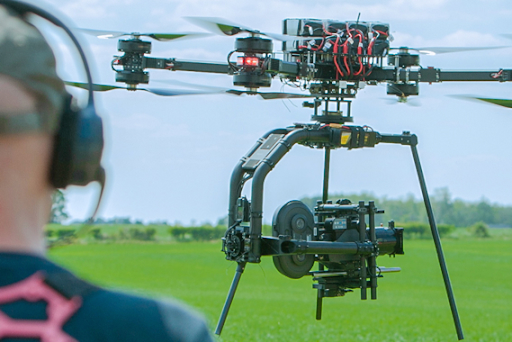
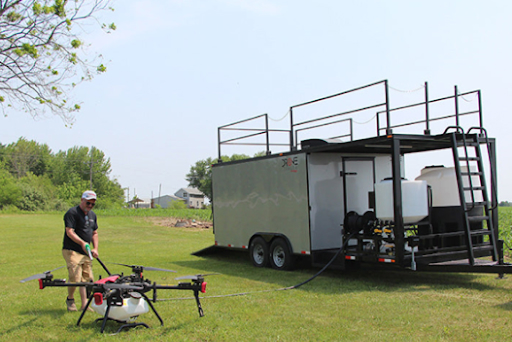
Drone spraying provides a targeted method of applying approved products to specific areas of a field, block, or crop. By operating above the crop canopy, drones can access locations that are impractical or inefficient to treat using ground-based equipment, while reducing soil compaction and crop disturbance.
The purpose of drone spraying is not to replace traditional machinery across entire farms, but to complement existing operations. When used appropriately and guided by clear field insight, drone spraying supports proportionate application where it delivers the greatest practical value.
Service Overview
Drone spraying is most effective when applied to clearly defined areas rather than blanket coverage. This may include wet spots, headlands, steep ground, trial areas, or zones identified through crop monitoring as requiring attention.
Operations are planned to align with regulatory requirements, product approvals, and site conditions. Flight paths and application areas are defined in advance to ensure treatments are applied accurately and consistently, while maintaining appropriate safety and exclusion zones.
Drone spraying is often used in combination with field data from services such as fungicide targeting or early stress detection. This ensures that application decisions are informed by evidence, helping to reduce unnecessary treatment while still protecting crop performance where intervention is justified.
Benefits of Services
Drone spraying allows treatments to be applied where ground access is restricted by wet soils, steep slopes, or sensitive crop stages, reducing delays and missed opportunities.
By focusing application on defined areas, drone spraying supports a more targeted approach that avoids unnecessary blanket treatment where it is not required.
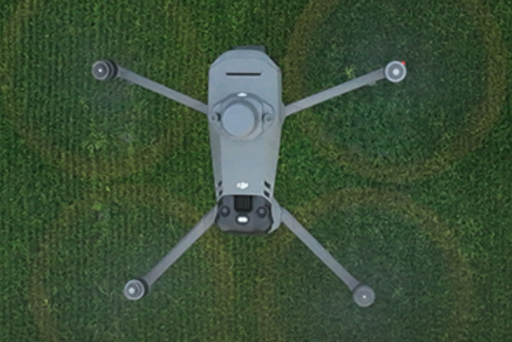
Operating above the crop canopy eliminates wheelings and compaction, helping protect soil structure and crop integrity, particularly in vulnerable conditions.
Drones can be deployed quickly when conditions allow, supporting timely application during narrow weather or growth stage windows.
When guided by crop monitoring or variability mapping, drone spraying becomes part of a joined-up workflow that links observation, decision, and action.