Establishment Checks
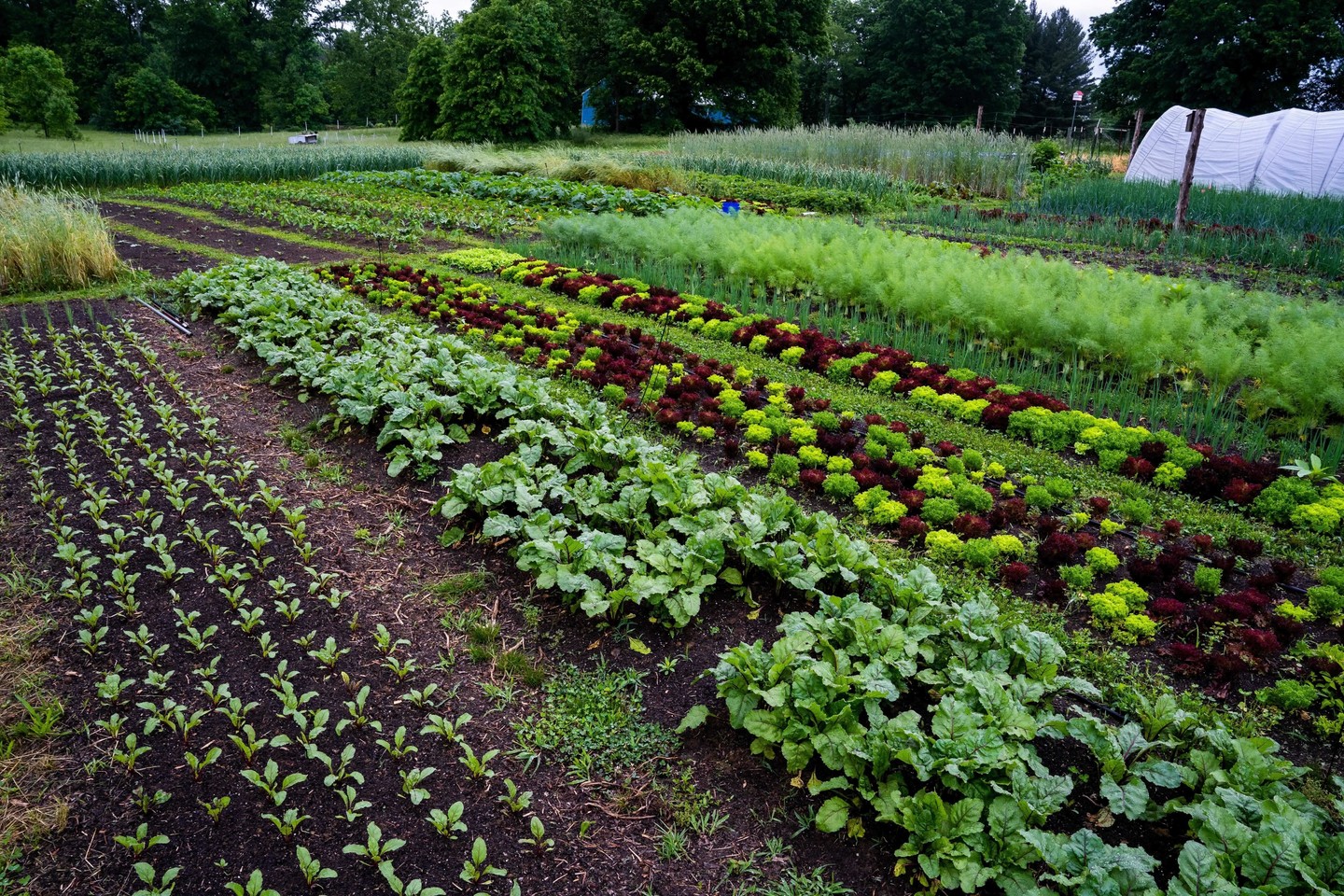
Successful crop establishment is critical to achieving uniform growth, efficient input use, and consistent yield potential. However, establishment can vary significantly within a field or block due to factors such as soil condition, moisture, drilling accuracy, pest pressure, or weather events shortly after planting.
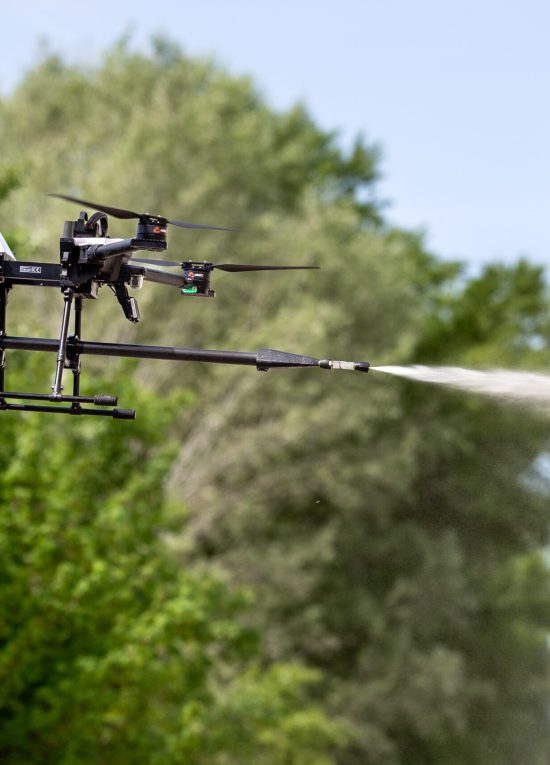
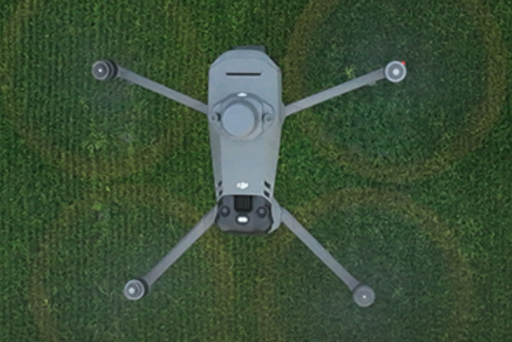
Establishment checks use high-resolution drone imagery to provide a clear, field-wide view of crop emergence and early development. This makes it easier to identify weak, uneven, or missing areas that may not be obvious through ground inspection alone, particularly across large or fragmented fields.
The purpose of the service is to support timely decision-making while options remain open. By highlighting areas that may require closer inspection or follow-up action, establishment checks help growers assess whether to re-drill, replant, manage on, or adjust future establishment strategies.
Service Overview
Drone surveys are carried out during early growth stages when establishment patterns can still be influenced by management decisions. High-resolution imagery provides a consistent overview of emergence across the entire field or block.
Outputs clearly highlight zones where emergence is weaker, patchier, or delayed. These areas can then be prioritised for ground inspection to determine the underlying cause, such as soil conditions, drilling depth, pest damage, or moisture stress.
Where appropriate, the information generated can also inform decisions around targeted reseeding, patch repair, or future changes to drilling strategy. The service supports these decisions by reducing guesswork and providing clearer evidence at an early stage.
Benefits of Services
By assessing establishment at an early stage, the service increases the window of opportunity to respond effectively, whether that involves re-drilling, reseeding, or targeted follow-up management.
Drone imagery provides a complete view of establishment across entire fields or blocks, reducing the risk of missing weak areas during ground inspections.
Priority zones highlighted by the surveys help direct time and effort to areas most likely to require attention, improving efficiency of labour and agronomy input.
Seeing patterns of uneven emergence helps identify recurring issues related to soil type, machinery setup, or field history, supporting longer-term improvements.
Establishment maps provide a record that can be reviewed alongside later-season performance, helping inform drilling strategy and crop planning in subsequent seasons.