Greenhouse Shading
Managing light levels and temperature is critical in protected cropping systems, particularly during periods of high solar radiation. Excess heat and light can stress crops, reduce quality, and disrupt growth if not managed effectively.
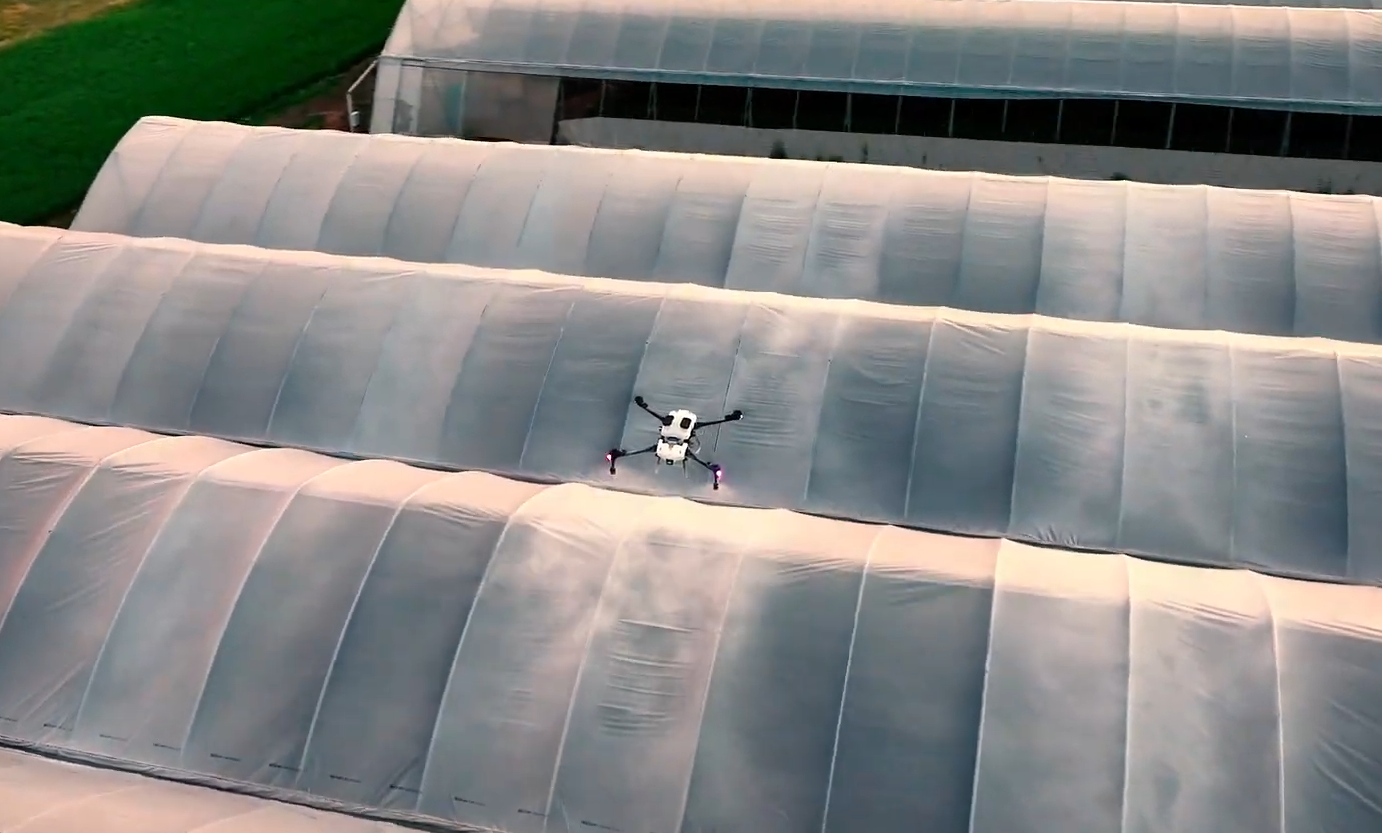
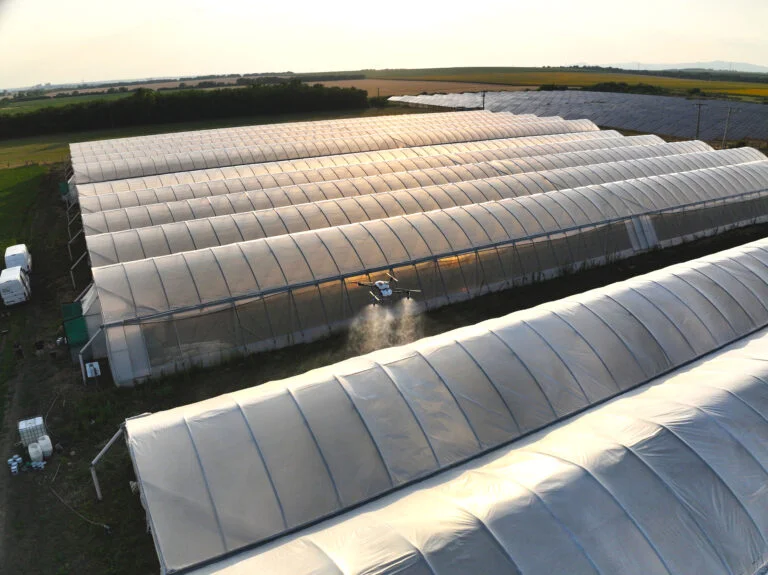
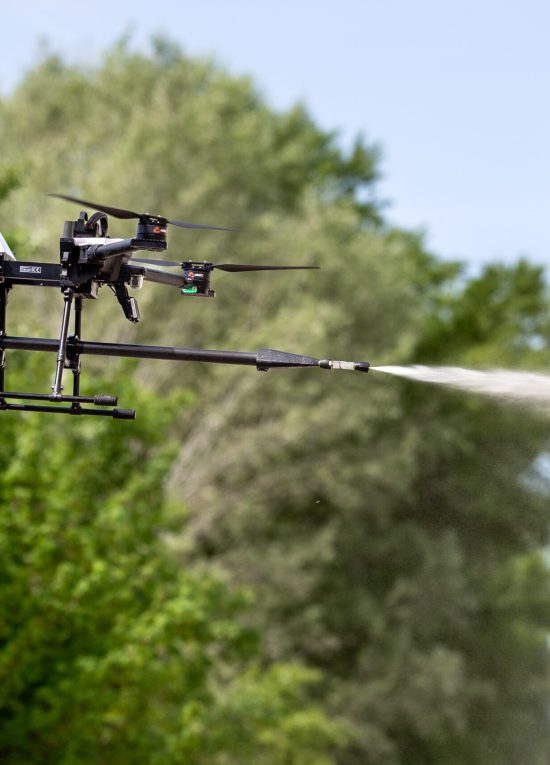
Greenhouse shading by drone provides a controlled method of applying shading material to glasshouse or polytunnel structures. By operating externally and above the structure, drones can access large or complex roofs efficiently without the need for scaffolding, lifts, or manual application at height.
The purpose of drone-applied shading is to support crop protection and climate management while reducing disruption and risk. It is designed to complement existing environmental controls, helping growers respond quickly to seasonal conditions and protect crop performance during critical periods.
Service Overview
Drone-applied greenhouse shading is typically used ahead of, or during, periods of increased sunlight to help moderate internal temperatures and light intensity. Application can be planned to suit the structure layout and cropping system, ensuring consistent coverage across roof areas.
By applying shading externally, the service avoids the need for internal access or manual work at height. This reduces disruption within the growing environment and minimises risk to staff, while allowing shading to be applied more quickly across large areas.
Greenhouse shading by drone is often informed by crop monitoring and environmental conditions. When used alongside services such as early stress detection or routine crop observation, it supports more responsive management of protected crops without altering established production systems.
Benefits of Services
Applying shading helps moderate internal conditions during periods of intense sunlight, reducing stress that can affect crop quality, uniformity, and yield potential.
Drone application removes the need for ladders, lifts, or roof access, significantly reducing health and safety risks associated with working at height.
Drones can apply shading consistently across wide roof spans or complex layouts that are difficult to access using traditional methods.
Because application is carried out externally, shading can be applied without interrupting internal crop management, irrigation, or harvesting activities.
When informed by crop stress monitoring or environmental data, greenhouse shading becomes part of a joined-up approach to protected crop management rather than a reactive measure.