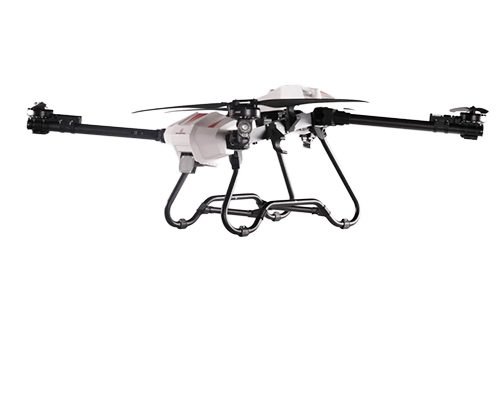
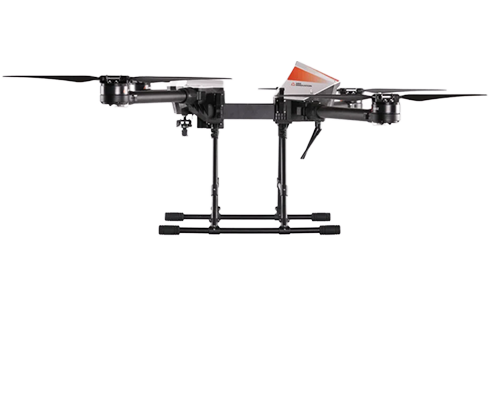
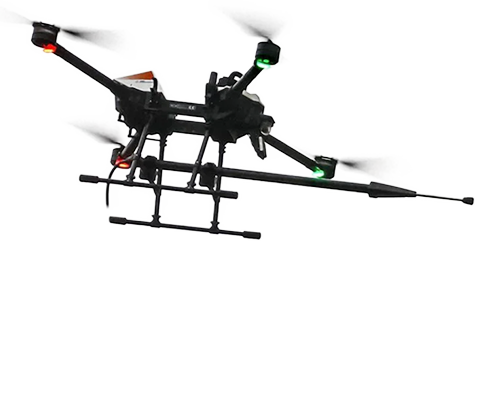
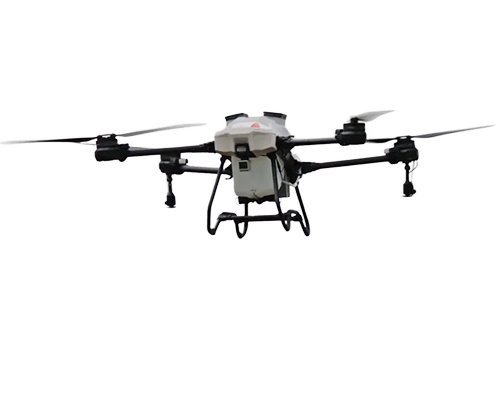
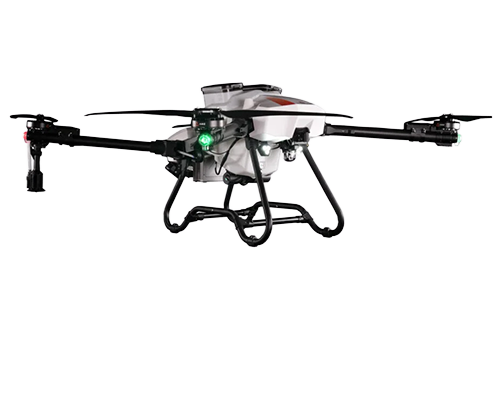
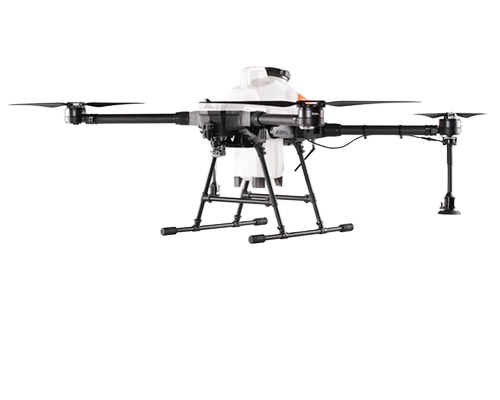
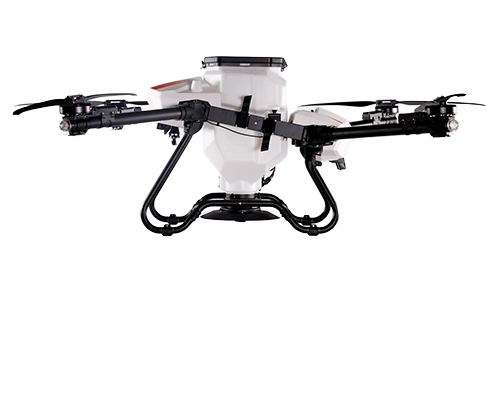
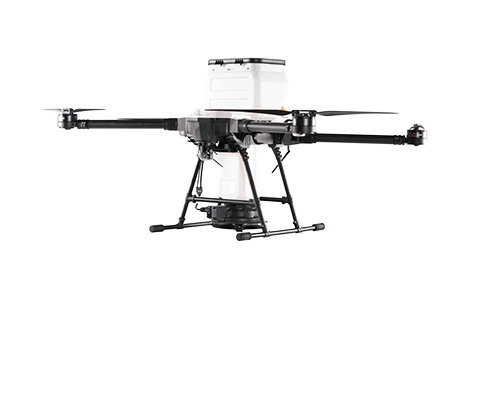
Intelligent crop spraying to reduce chemical usage
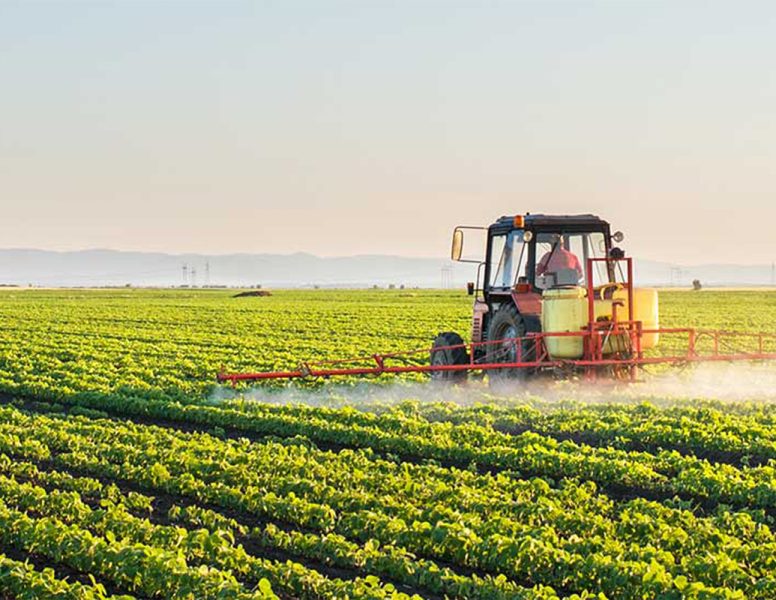
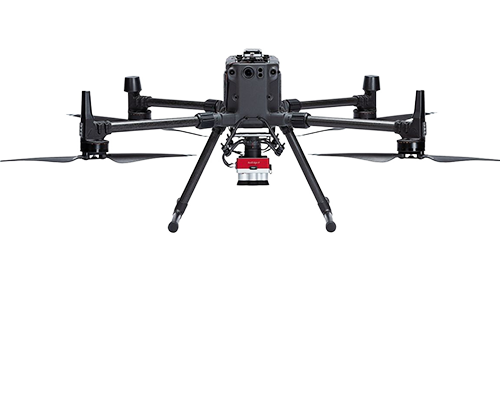
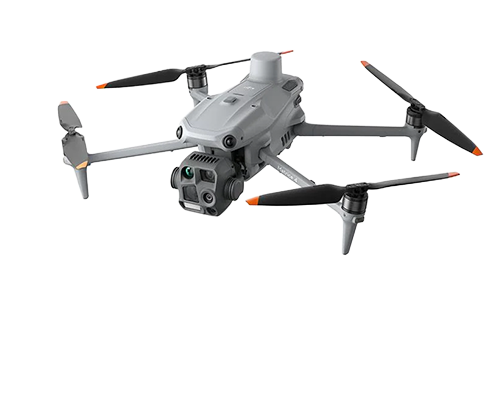
Intelligent crop spraying uses data from multispectral drone surveys to apply crop protection products only where they are required. By linking field variability data directly to application decisions, this approach reduces chemical use while maintaining effective crop protection.
This project demonstrates how targeted, zone-based spraying replaces blanket applications with accurate, data-led treatment. The focus is on practical implementation that lowers costs, improves application efficiency, and reduces environmental impact without compromising yield.

The Situation
Disease pressure, weed burden, and pest activity rarely develop evenly across a field. Localised factors such as soil moisture, canopy density, compaction, and microclimate often create areas of higher risk alongside zones where pressure is low or absent.
Traditional spraying strategies typically apply products uniformly across entire fields as a precaution. While effective, this approach assumes equal risk everywhere and often results in unnecessary chemical use in low-pressure areas, increasing costs and overall chemical load.
Relying on visual inspection alone can delay identification of problem areas, particularly in large fields or during rapid crop growth. This can lead to either late intervention or repeated whole-field applications to ensure coverage, highlighting the need for more precise, timely spraying strategies.
Objectives of the Project
- To identify spatial variation in crop protection requirements using aerial data
- To target spraying only to zones where treatment is required
- To reduce overall chemical usage without compromising control
- To improve application efficiency and timing
- To support more sustainable crop protection practices