Protecting Soil Structure

Protecting Soil Structure


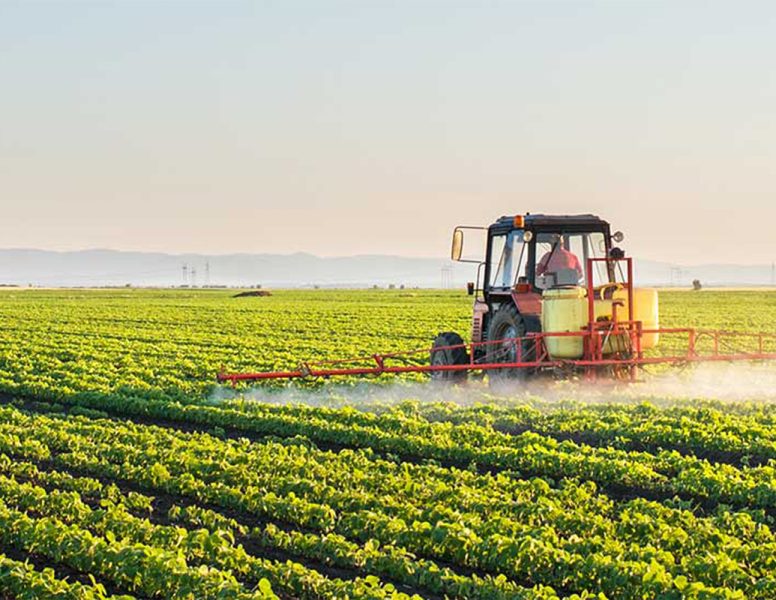
Protecting soil structure by reducing machinery passes

Soil structure underpins crop performance, drainage, and long-term field productivity. Reducing unnecessary machinery passes is a key part of protecting soil health, particularly on heavier land and during vulnerable periods in the growing season.

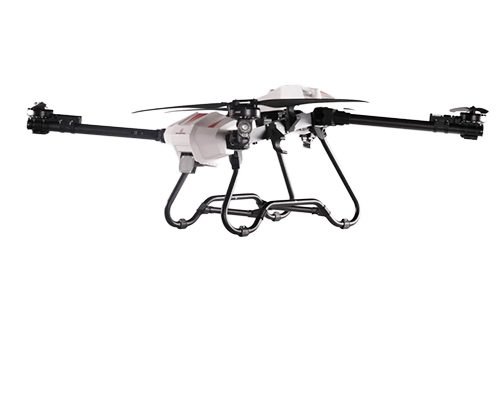
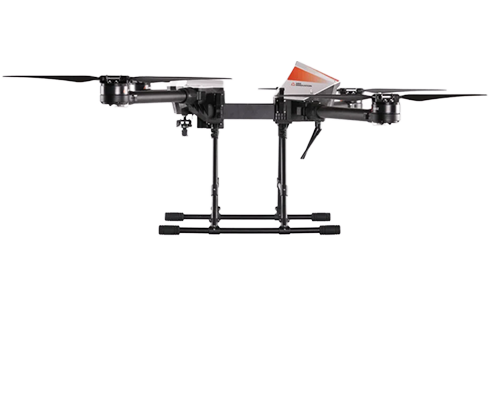
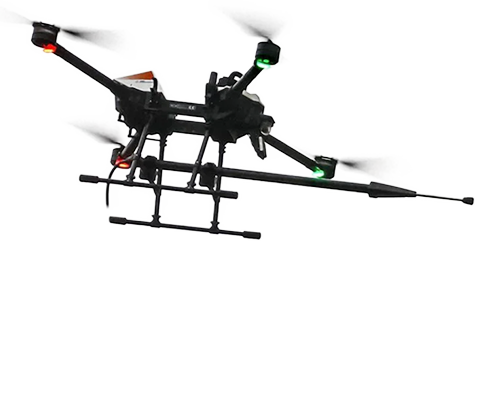
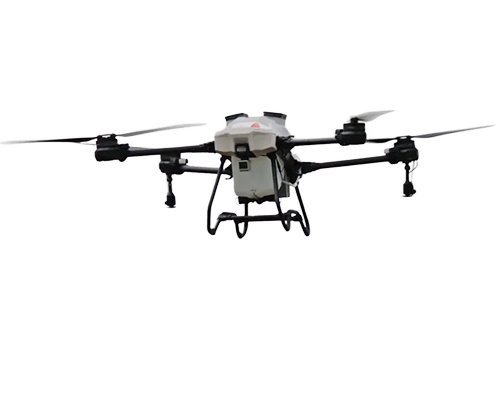
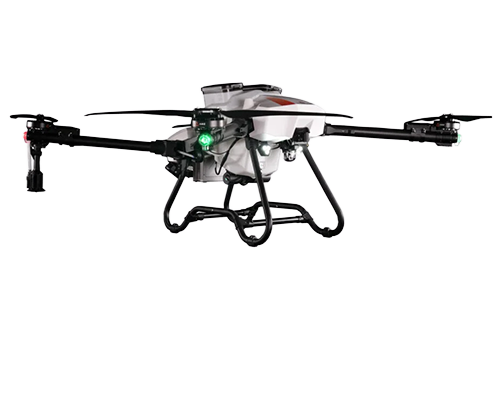
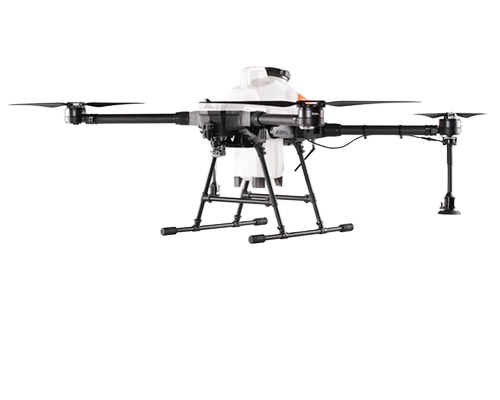
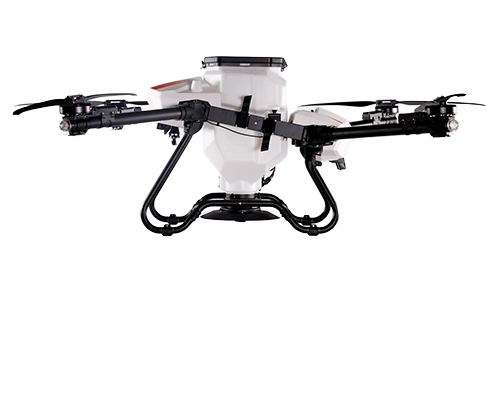
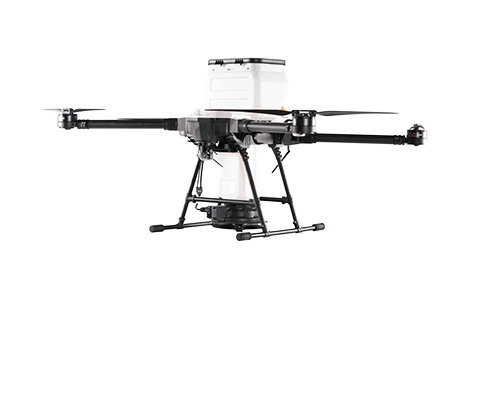
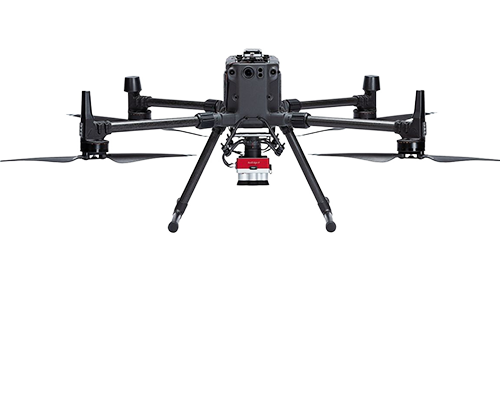
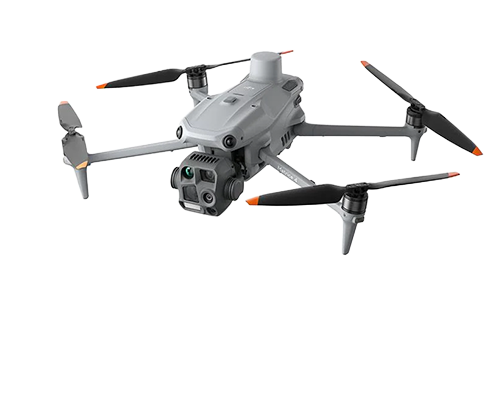
This project demonstrates how drone-based operations can replace or reduce traditional machinery passes for surveying, spraying, and spreading. By moving key tasks into the air, farms can maintain effective crop management while minimising compaction and long-term soil damage.
The Situation

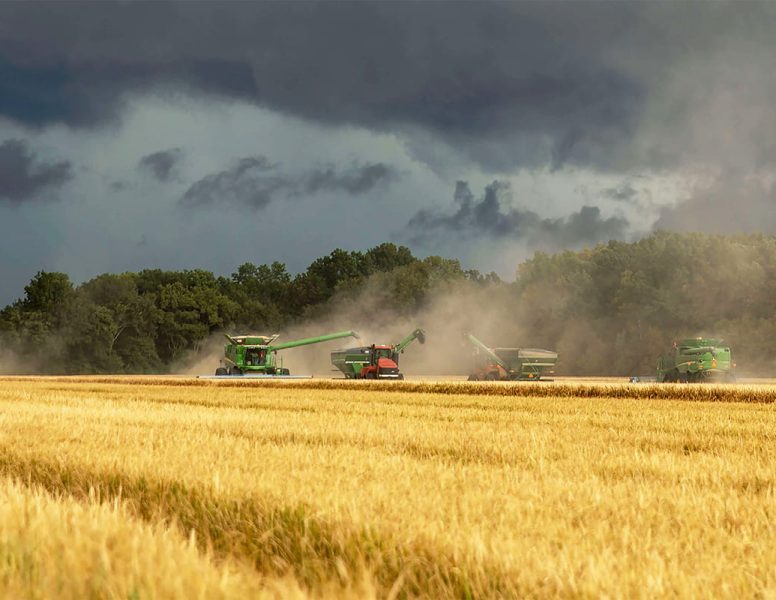
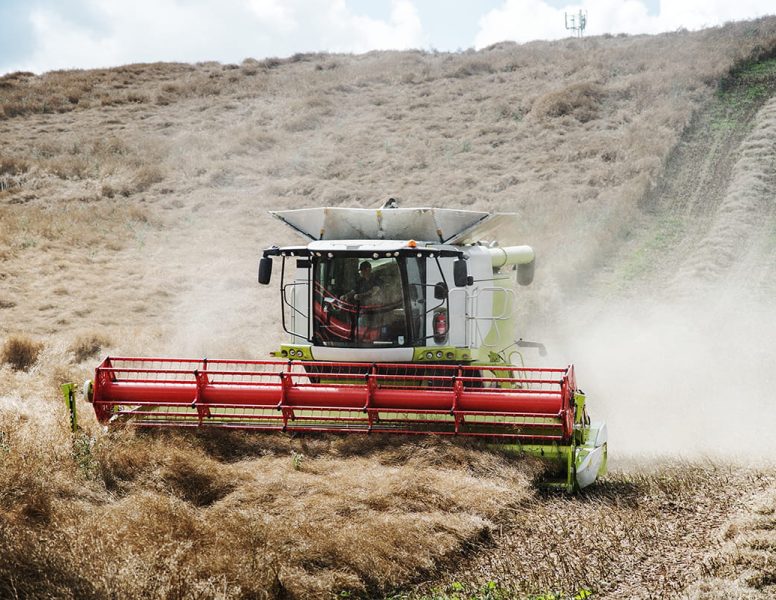
Repeated passes by heavy machinery can compact soil, restrict root growth, and reduce water infiltration. Compaction often develops gradually and unevenly, making it difficult to identify until crop performance is already affected.

Modern farming systems frequently require multiple passes for spraying, fertiliser application, scouting, and monitoring. Each pass adds pressure to soil structure, particularly in headlands, tramlines, and areas with poorer drainage. Over time, this can lead to reduced yield potential and increased variability across fields.

Attempts to operate machinery in marginal conditions can worsen the problem. When ground is wet or crops are well developed, the risk of soil damage increases significantly. Farms therefore face a trade-off between timely intervention and protecting long-term soil health.

Objectives of the Project

Benefit of Services

Reduced soil compaction and structural damage
Improved root development and water infiltration
Lower risk of long-term yield loss
Reduced machinery wear and fuel use
Greater flexibility in operation timing
Improved field performance consistency
Typical outcomes include improved soil condition, reduced variability linked to compaction, and more resilient crop performance over time.

Shopping Cart

No products in the cart.