Reducing input costs with data-led precision agriculture
Rising input costs place increasing pressure on farm margins. Data-led precision agriculture uses accurate field information to apply fertiliser, crop protection products, and seed only where they are required, reducing waste while maintaining crop performance.
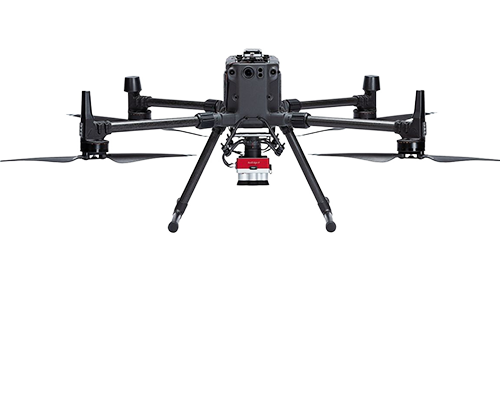
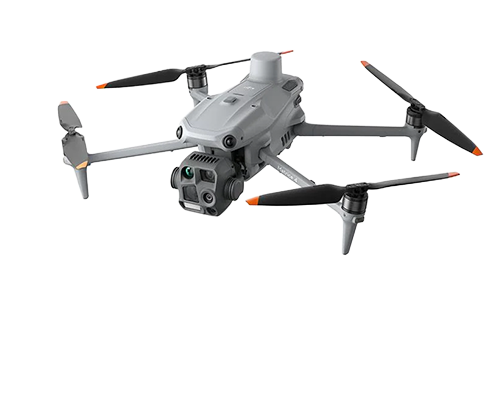
This project demonstrates how combining drone surveys with targeted application strategies allows farms to lower overall input spend without compromising yield. The emphasis is on practical, repeatable approaches that deliver measurable savings across multiple seasons.
The Situation
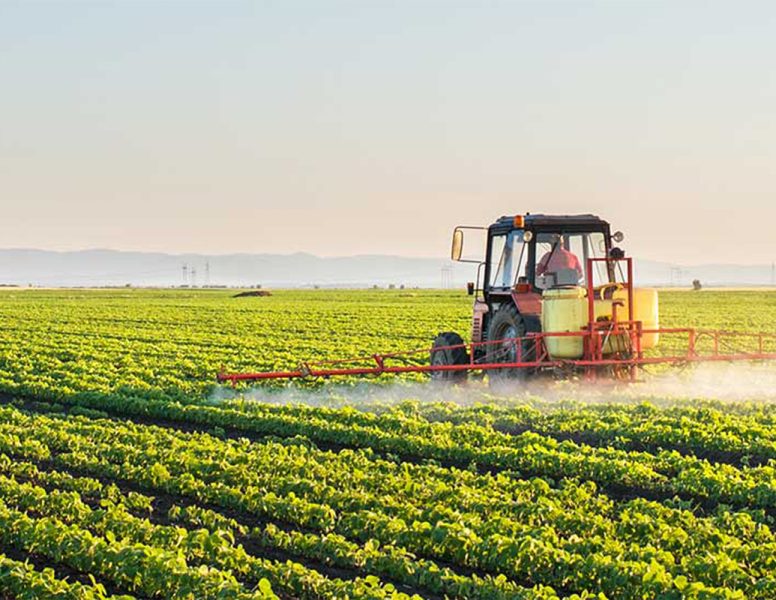
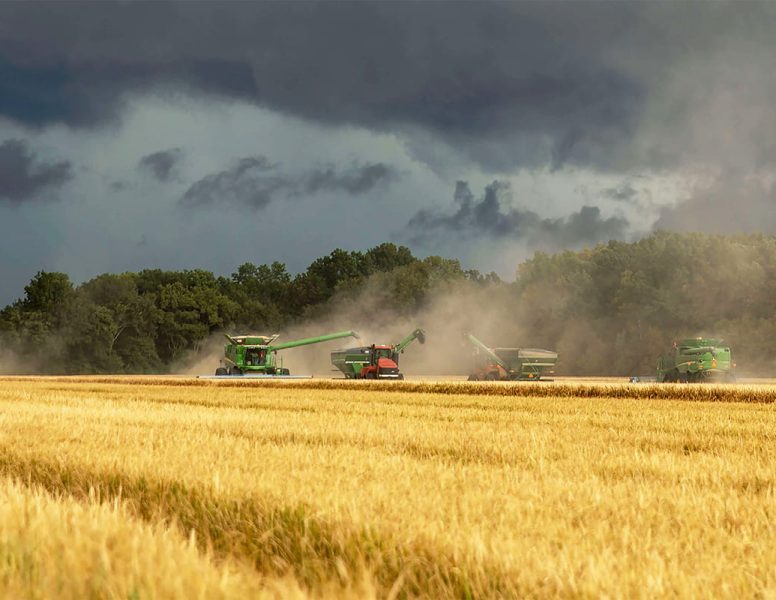
Input costs such as fertiliser, crop protection products, fuel, and labour represent a significant proportion of farm expenditure. Traditional blanket application methods often result in inputs being applied uniformly across fields, regardless of actual crop need or variability.
Field variability means that some areas consistently receive more inputs than required, while other areas fail to respond effectively. Without accurate data, it is difficult to identify where savings can be made without increasing risk to crop performance.
As margins tighten, farms need greater confidence that every input applied is delivering value. Rising costs and increasing environmental scrutiny make inefficient application methods less sustainable, highlighting the need for more precise, data-driven management strategies.
Objectives of the Project
- To identify opportunities to reduce input usage using aerial survey data
- To replace blanket treatments with targeted, zone-based interventions
- To improve efficiency of fertiliser and chemical application
- To reduce fuel, labour, and machinery costs
- To maintain crop performance while lowering overall input spend