Late-season seeding without soil compaction
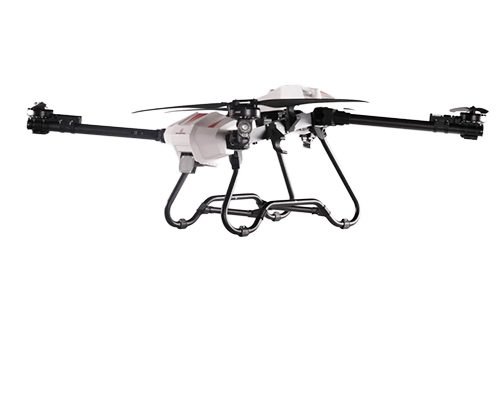
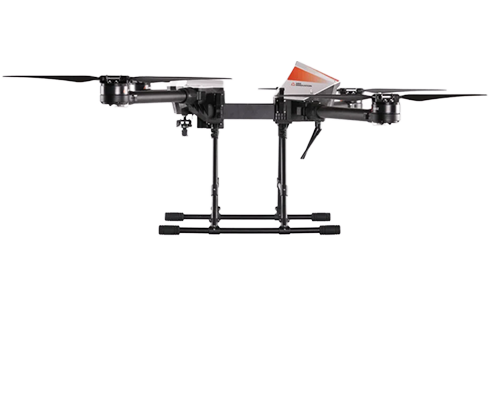
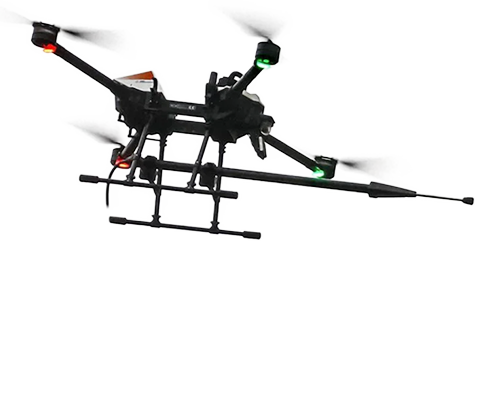
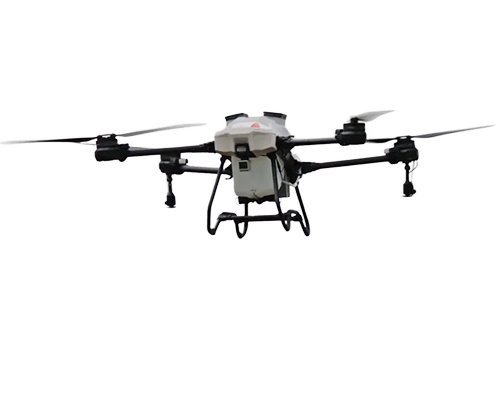
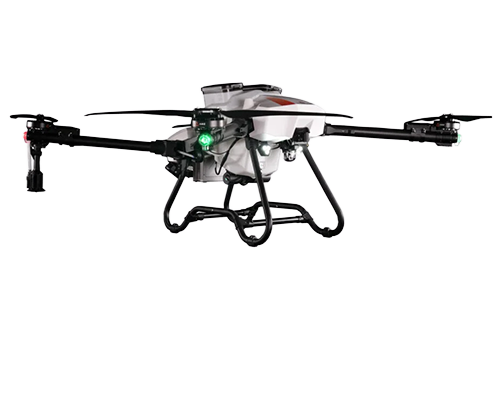
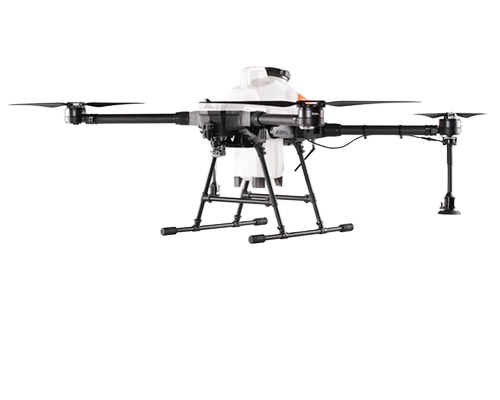
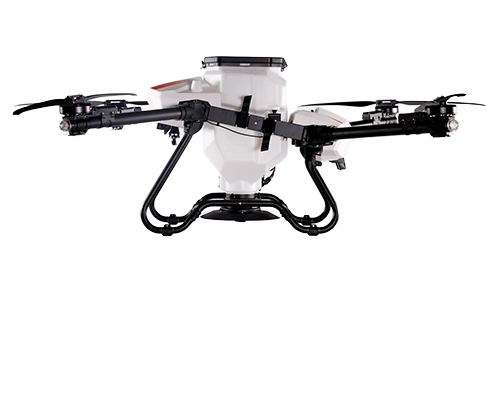
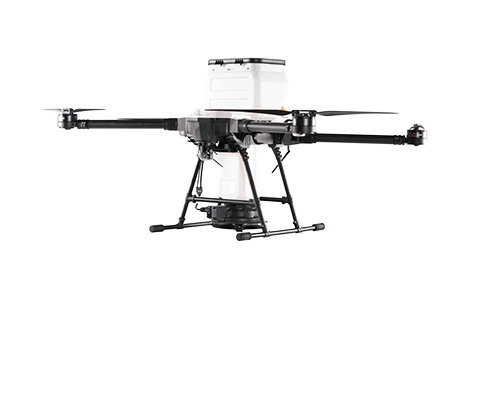
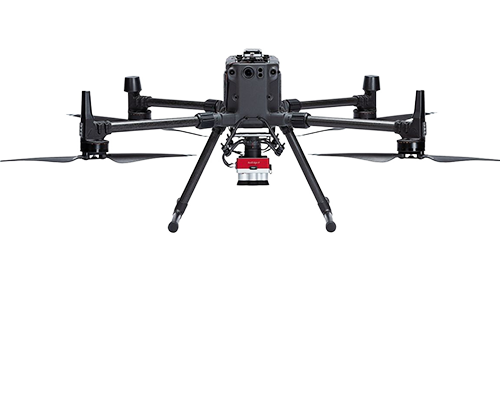
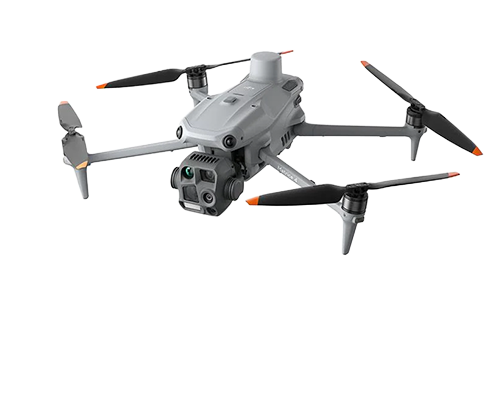
Late-season seeding is often constrained by weather, soil conditions, and crop stage. Drone-based seeding provides a practical alternative that allows establishment to continue without ground contact, protecting soil structure while maintaining accurate seed placement.
This project demonstrates how aerial seeding can be used later in the season to establish crops or covers when traditional machinery access is limited. The emphasis is on protecting soil health while maintaining operational flexibility and timing.
The Situation
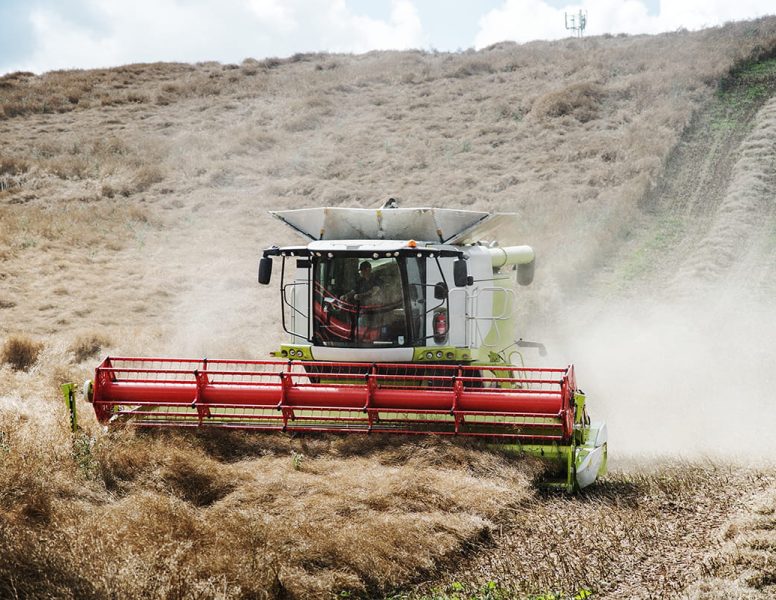
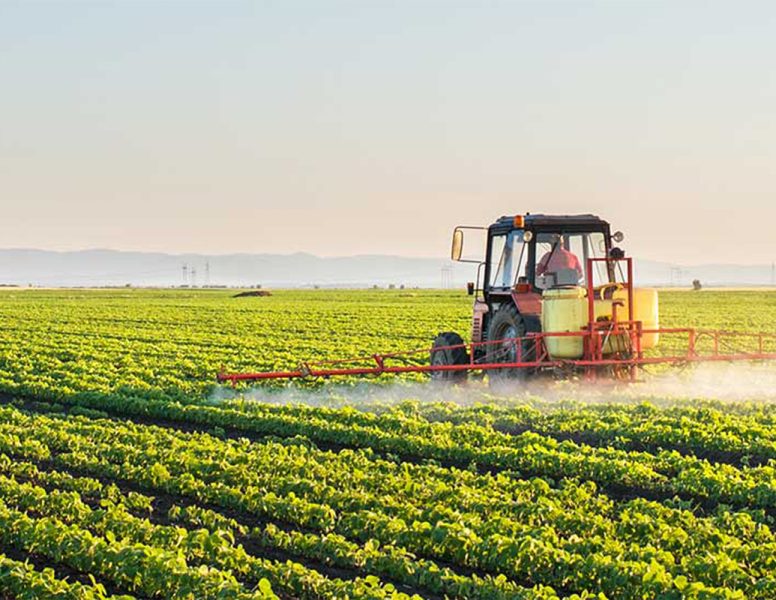
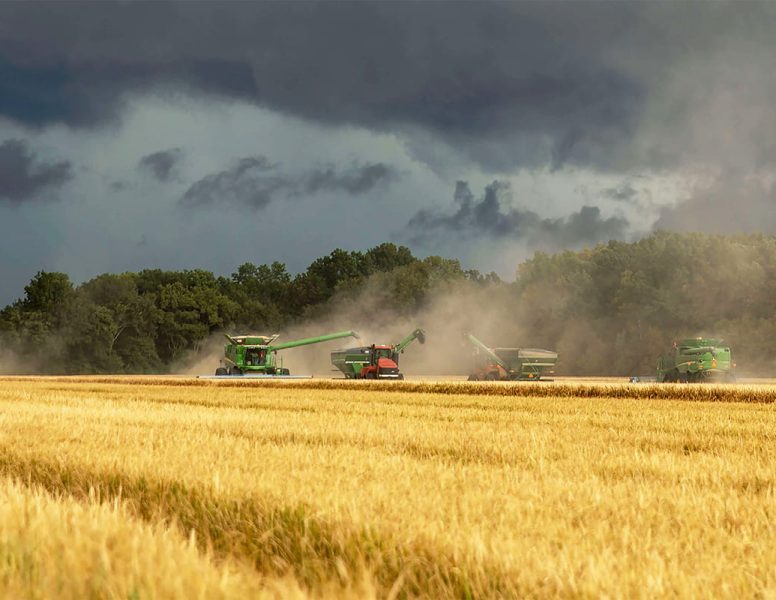
As the season progresses, ground conditions frequently become wetter and more vulnerable to compaction. Traditional drilling and spreading equipment can struggle to access fields without causing ruts, headland damage, and long-term soil structure issues.
Delays to late-season seeding can reduce establishment success and limit the agronomic benefits of crops such as covers or catch crops. When planting windows are missed, soil protection, nutrient capture, and overall field condition can be compromised.
Attempting to operate machinery in marginal conditions often increases the risk of compaction and crop damage. Farms therefore face a choice between delaying operations and risking poor establishment, or proceeding and accepting soil damage that can affect performance for multiple seasons.
Objectives of the Project
- To establish crops or covers later in the season without ground contact
- To avoid soil compaction and structural damage
- To maintain uniform seed distribution across fields
- To extend planting windows during challenging conditions
- To protect long-term soil health and field performance