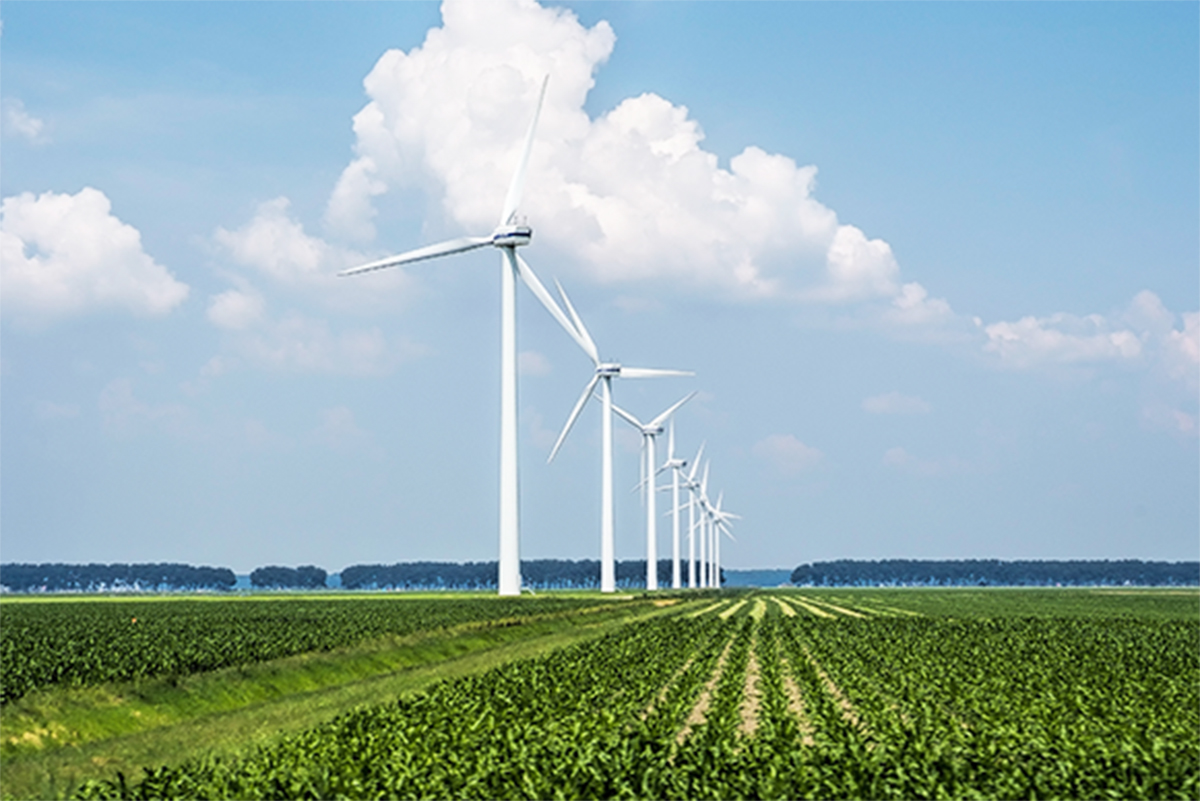
Improving Yield Consistency Through Zone-Based Management
Yield consistency across fields is a key driver of overall farm performance and profitability. Zone-based management uses spatial data to understand why certain areas consistently underperform and applies targeted interventions to reduce variability and improve whole-field output.
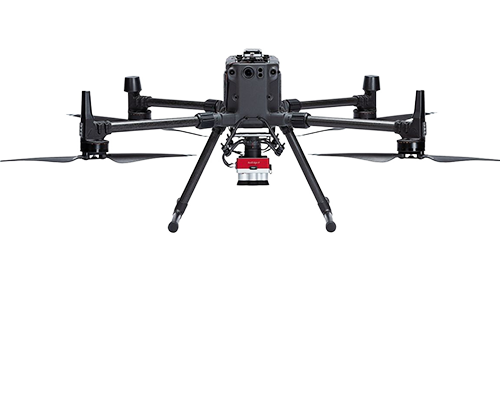
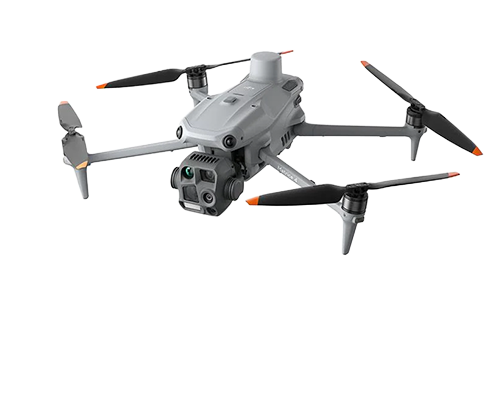
This project demonstrates how data from multispectral surveys and historical field information can be combined to define management zones and guide more precise decision-making. The focus is on practical, repeatable actions that improve crop uniformity rather than maximising yield in already strong areas.

The Situation
Many fields show persistent patterns of variability year after year, with the same areas consistently underperforming. These patterns are often linked to underlying factors such as soil type, compaction, drainage, historic traffic, or nutrient availability. Without clear spatial insight, these issues can be difficult to address effectively.
Traditional management approaches tend to apply the same strategy across entire fields, regardless of underlying variability. This can result in strong zones receiving more inputs than required while weaker zones fail to respond, leading to inefficient input use and inconsistent crop development.
Yield inconsistency not only affects output but also complicates planning and forecasting. Without a clear understanding of why variability exists, it is challenging to prioritise interventions, assess return on investment, or improve performance over time.
Objectives of the Project
- To identify consistent patterns of variability across fields using aerial data
- To define practical management zones based on crop performance
- To apply targeted interventions that address underperforming areas
- To improve crop uniformity and yield stability
- To support more efficient use of inputs across the field