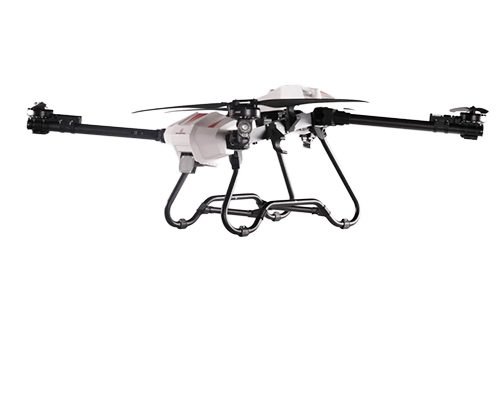
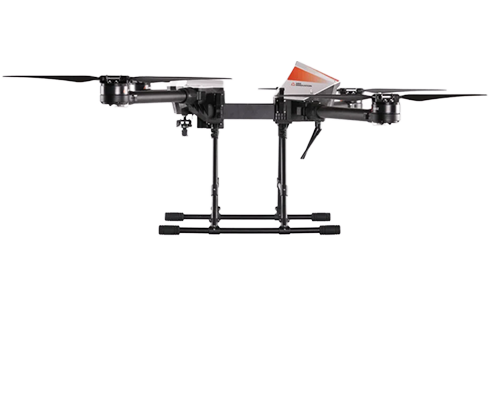
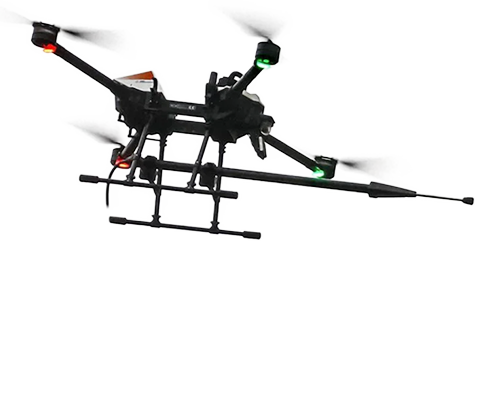
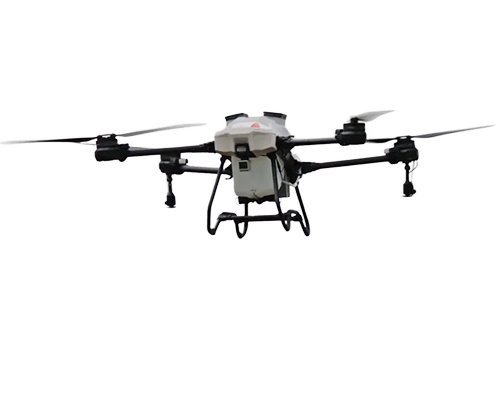
Extending working windows using drone operations
Short weather windows and challenging ground conditions often restrict when key farming operations can be carried out. Drone operations provide a flexible alternative that allows surveys, spraying, and seeding to continue when traditional machinery access is limited.
This project demonstrates how agricultural drones can be used to extend operational windows during wet periods, late-season conditions, or narrow timing constraints. The focus is on maintaining productivity and protecting crop performance when conventional methods are not practical.
The Situation
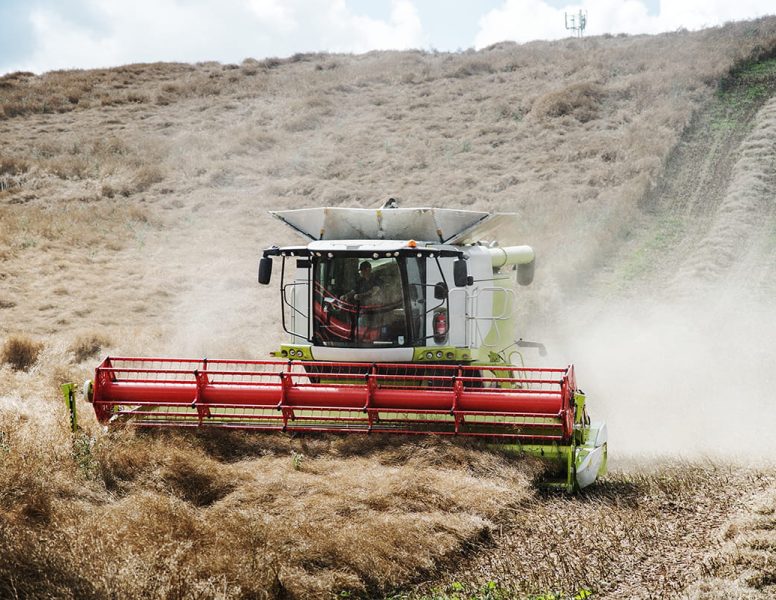
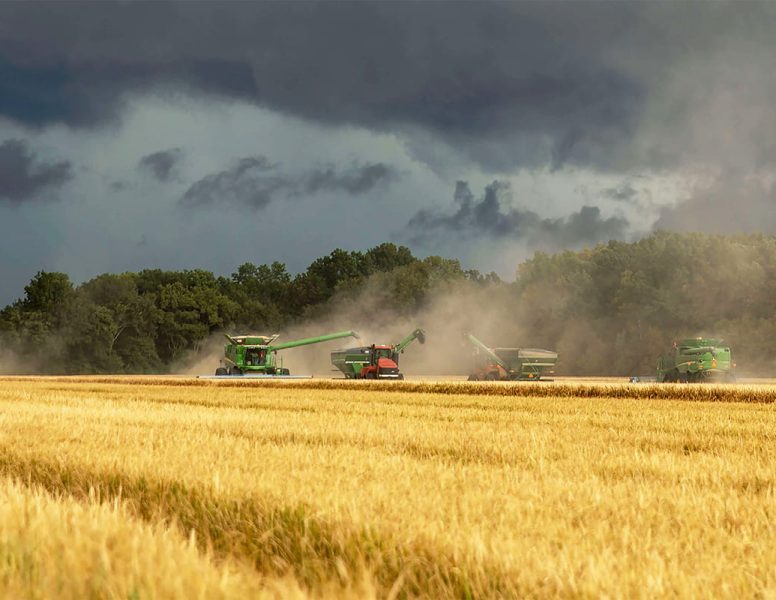
Many critical farming operations rely on suitable ground conditions and weather windows that can be increasingly unpredictable. Wet soils, soft ground, or standing crops can prevent tractors and machinery from entering fields without causing compaction or damage.
Delays caused by restricted access can have significant consequences. Missed application timings, late seeding, or delayed interventions often reduce input effectiveness and compromise yield potential. In some cases, work is either rushed when conditions improve or abandoned altogether.
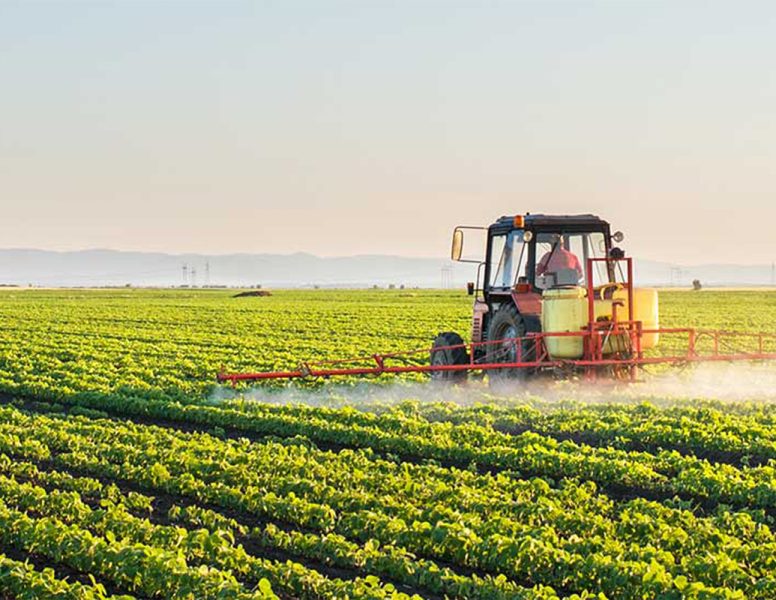
Traditional machinery-based approaches offer limited flexibility once conditions deteriorate. This creates pressure on planning and increases the risk of soil damage when attempting to operate in marginal conditions. As a result, farms require alternative methods that maintain accuracy without relying on ground access.
Objectives of the Project
- To maintain the ability to carry out key operations during restricted ground conditions
- To reduce delays caused by limited machinery access
- To protect soil structure by avoiding unnecessary traffic
- To improve timing and effectiveness of interventions
- To increase operational flexibility during short weather windows