Precision Agriculture Programmes

Precision Agriculture Programmes

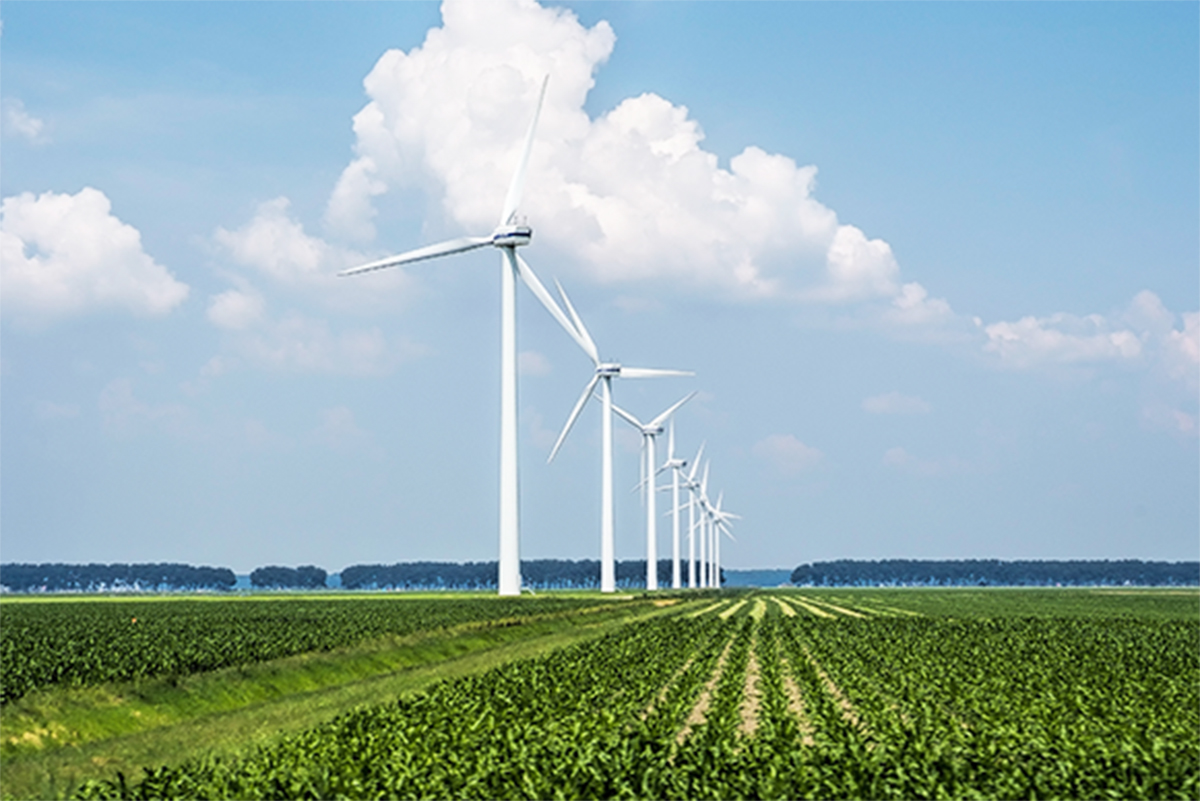
Precision agriculture programmes across multiple crops

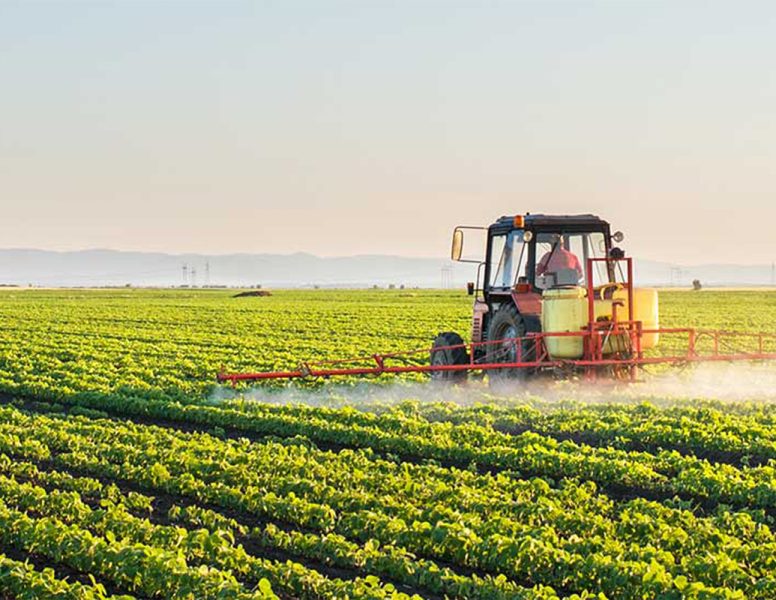
Managing multiple crops across a farm requires consistent decision-making while accounting for different growth stages, nutrient demands, and risk profiles. Integrated precision agriculture programmes use drone data and targeted interventions to deliver a joined-up approach that works across crops rather than treating each operation in isolation.

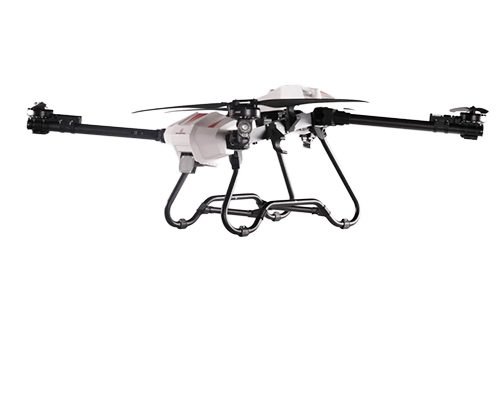
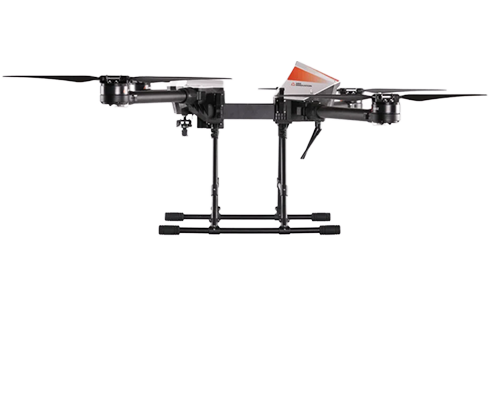
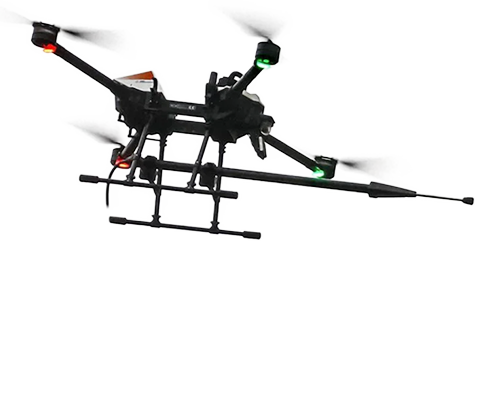
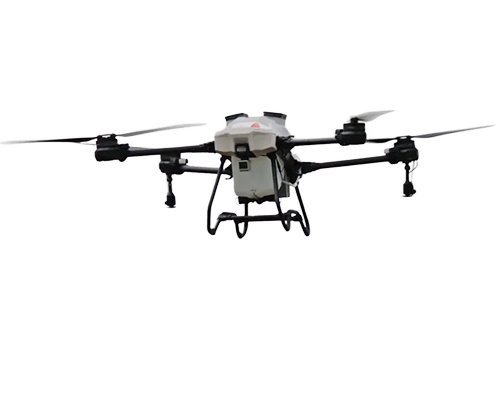
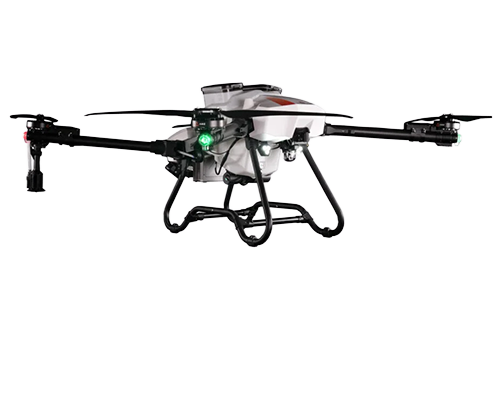
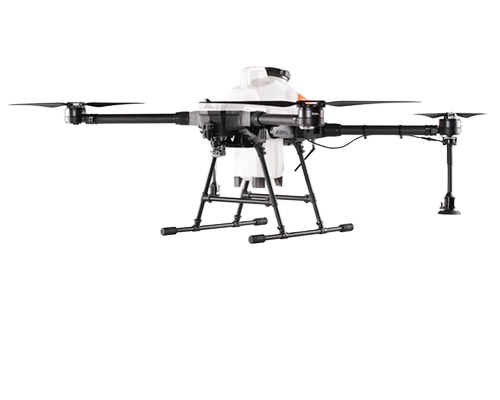
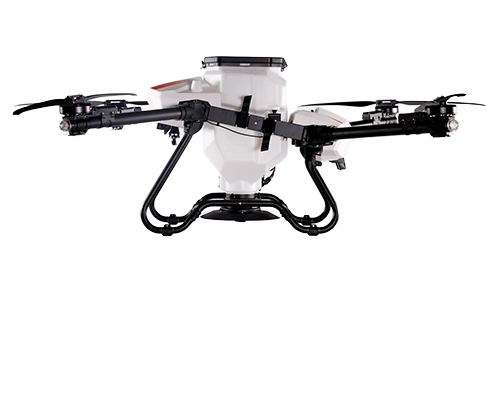
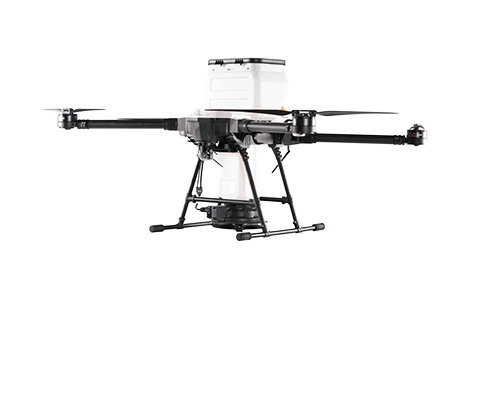
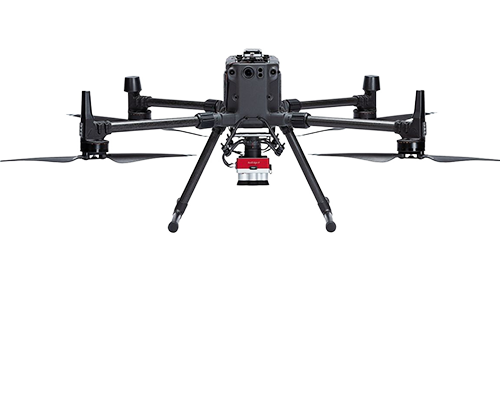
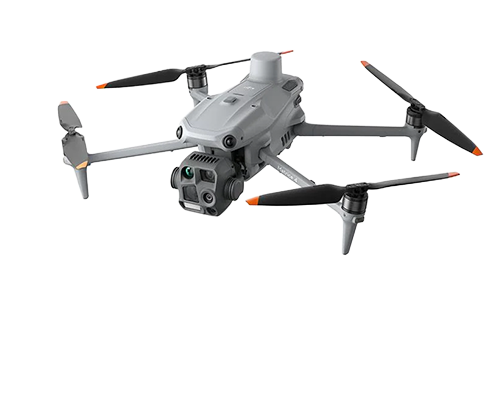
This project demonstrates how multispectral surveys, prescription mapping, and targeted drone operations can be combined into a coordinated programme applied across different crops and fields. The focus is on improving efficiency, consistency, and return on investment at whole-farm level.
The Situation

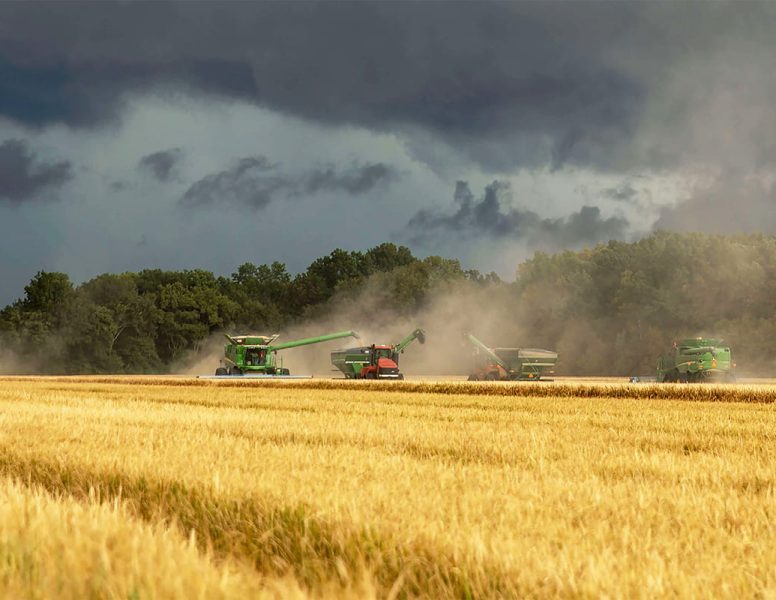
Farms growing multiple crops often face fragmented decision-making, with different inputs, timings, and strategies applied independently to each field or crop type. This can lead to inefficiencies, duplicated effort, and inconsistent results, particularly where variability exists across soils and field conditions.

Traditional management approaches frequently rely on uniform applications within individual crops without considering how variability patterns repeat across the farm. As a result, similar issues such as compaction, nutrient limitation, or drainage problems may be addressed repeatedly without a coordinated strategy.

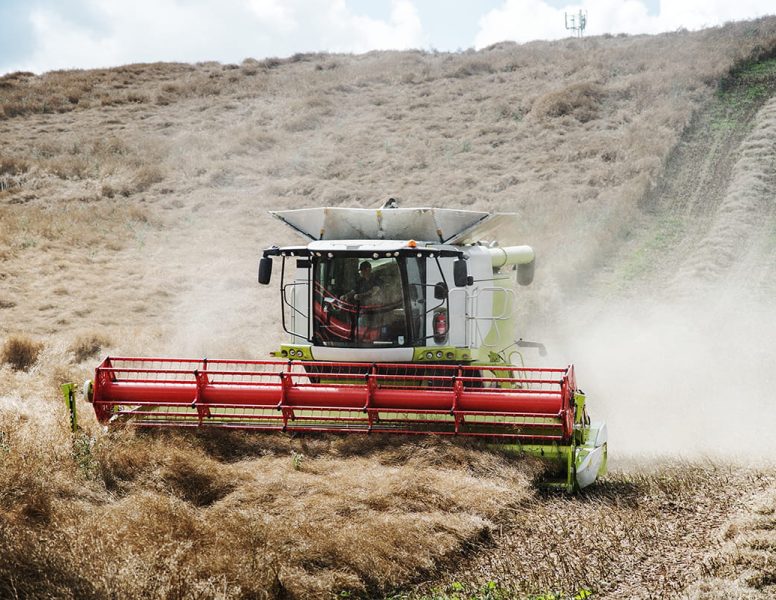
Managing multiple crops also increases pressure on labour, machinery availability, and timing. Without clear, field-wide insight, it becomes difficult to prioritise interventions, plan workloads efficiently, and ensure inputs are applied where they deliver the greatest benefit across the whole rotation.

Objectives of the Project

Benefit of Services

Improved consistency in decision-making across crops
More efficient use of fertiliser and crop protection products
Reduced duplication of effort and unnecessary applications
Better prioritisation of interventions and workloads
Improved crop performance and uniformity across the rotation
Clearer understanding of whole-farm variability
Typical outcomes include input cost reductions of 15~30%, improved crop consistency across different crops, and more efficient use of labour and machinery.

Shopping Cart

No products in the cart.