Winter Wheat Targeting

Winter Wheat Targeting

Targeting variable crop health in winter wheat using multispectral drone surveys

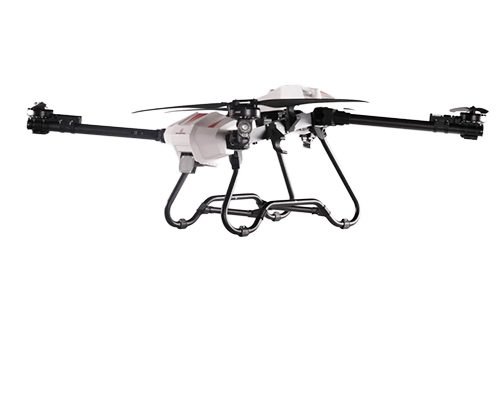
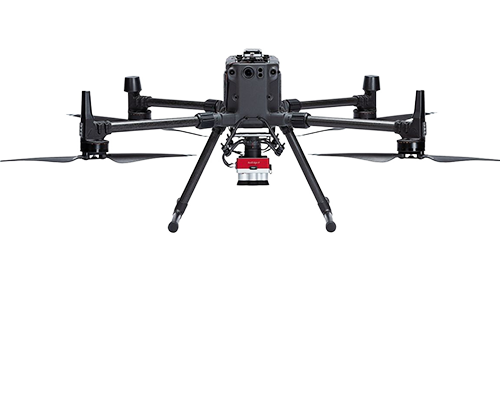
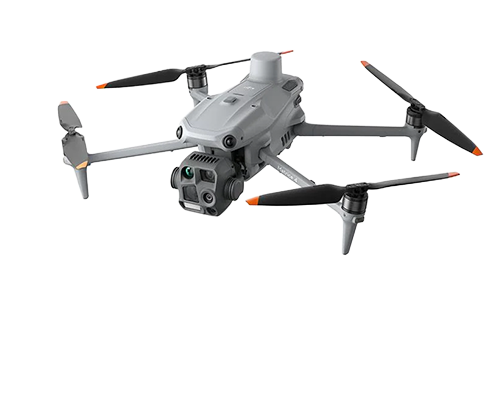
Multispectral crop health mapping is a core component of modern precision agriculture. By using drone-based surveys to assess crops beyond visible light, farmers can gain a detailed understanding of variability and crop performance across entire fields. This approach provides a practical way to move from blanket treatments to targeted, data-led decision-making.

This project demonstrates how multispectral surveys can be used in winter wheat to identify variability early in the season and support more efficient management. The focus is on practical application, showing how aerial data can be translated into clear insight that helps reduce waste, protect yield potential, and improve overall crop uniformity.

The situation

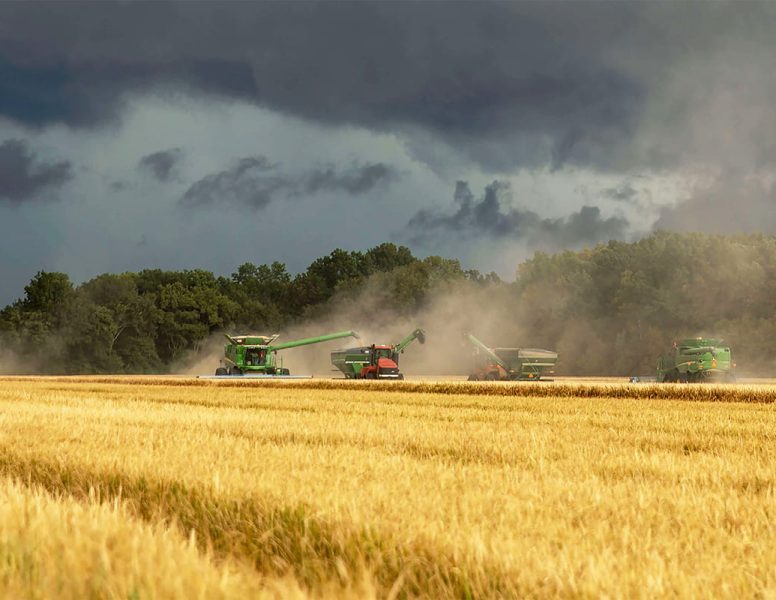
Crop performance within winter wheat fields is rarely uniform. Variability caused by soil type, drainage, compaction, historic management, and nutrient availability often leads to uneven crop development.

These differences are difficult to identify early using ground-based inspection alone, particularly during key growth stages when timely intervention is critical.

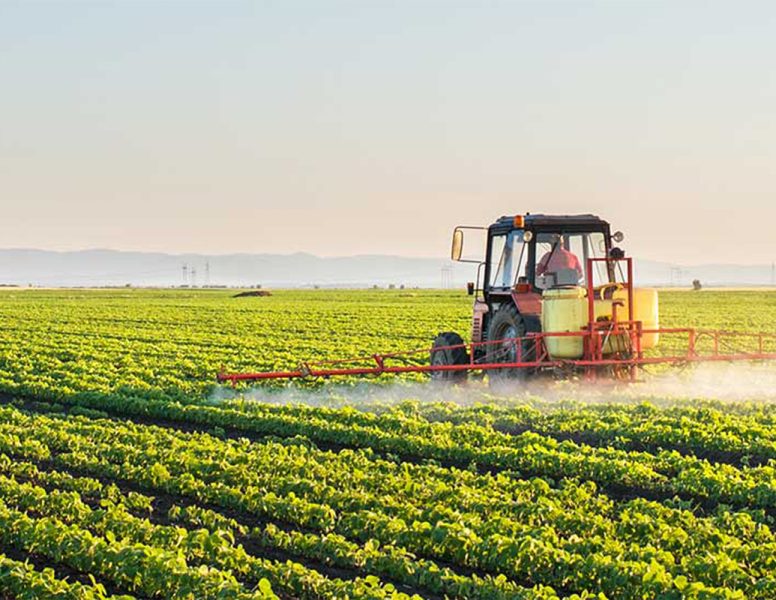
Traditional blanket treatments assume uniformity and can result in wasted inputs in strong areas while weaker zones continue to underperform.

Objectives of the Project

Benefit of Services

Earlier identification of crop stress and variability
More accurate targeting of fertiliser and crop protection inputs
Reduced fertiliser and chemical waste
Improved crop uniformity across the field
Reduced time spent manually crop walking
Improved confidence in agronomic decision-making
Typical fertiliser and chemical input reductions of 15~24%
Yield improvements typically 4~7% through earlier and more targeted intervention.

These projects are written as practical examples rather than client case studies. They are intended to help farmers understand how drone services translate into real on-farm outcomes across a range of crops and conditions. Each project focuses on a common agronomic or operational challenge, the drone-based approach used to address it, and the types of outputs a farm can expect to receive.

Where figures are referenced, they reflect typical commercial outcomes seen in precision agriculture programmes, such as reduced fertiliser and chemical usage, improved crop uniformity, fewer passes across fields, and better timing of interventions.

The goal is to provide clear, actionable insight that can be applied to your own fields, without requiring specialist technical knowledge to interpret the results.
Winter Wheat Targeting

Shopping Cart

No products in the cart.