Targeted Nitrogen Application

Targeted Nitrogen Application

Targeted nitrogen application using prescription maps

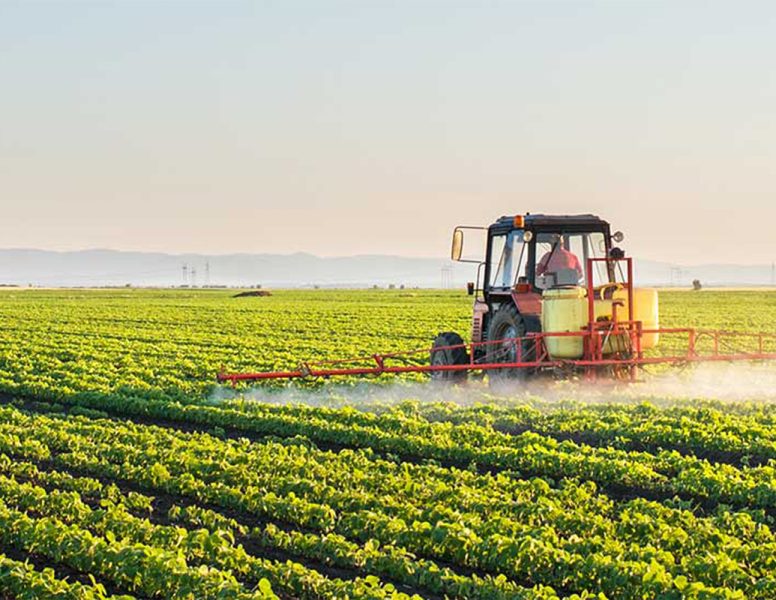
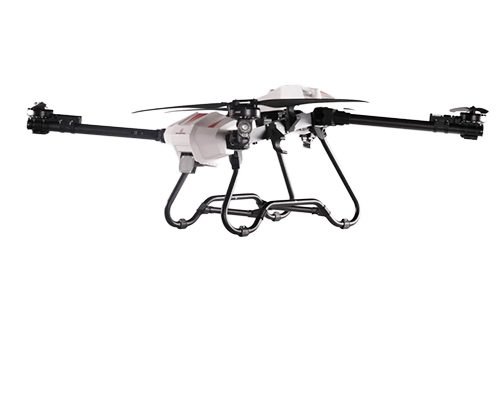
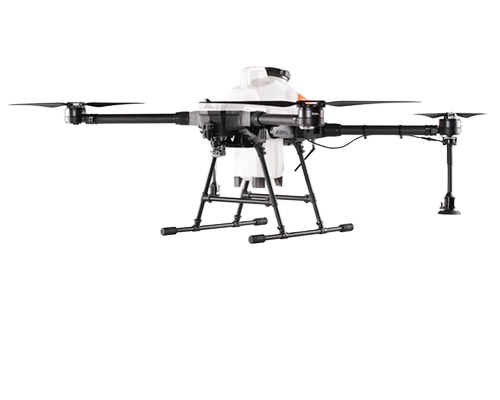
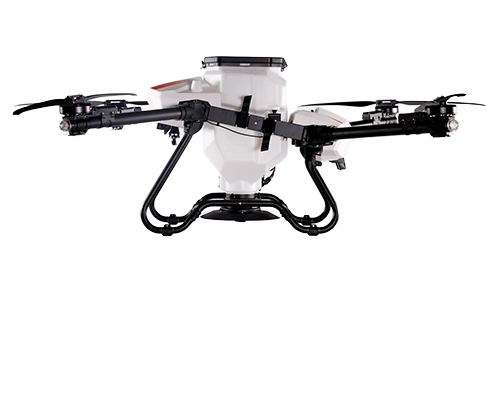
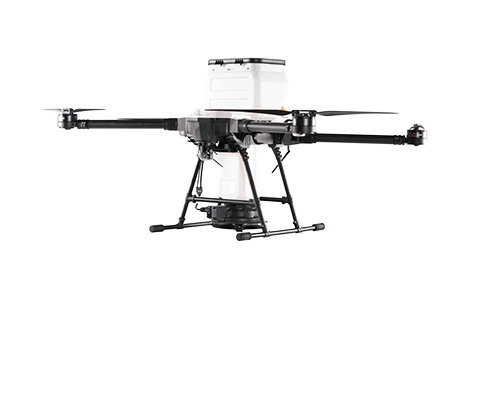
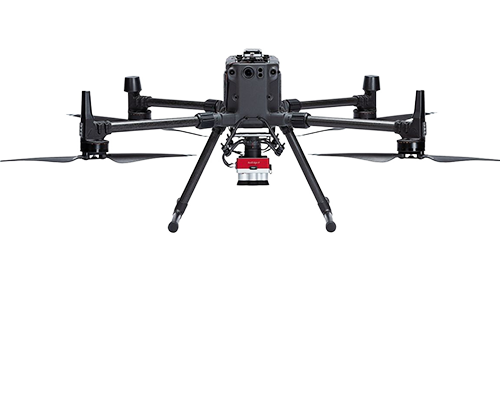
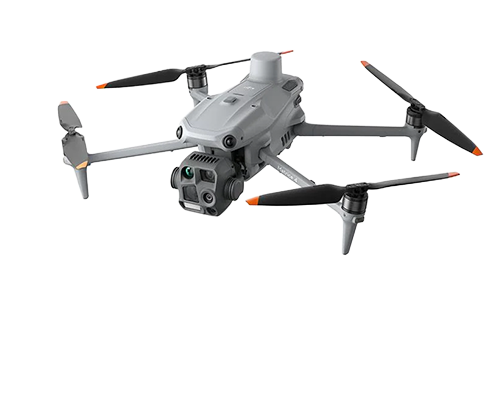
Targeted nitrogen application uses data from multispectral drone surveys to apply fertiliser only where it is needed and at the correct rate. By linking crop performance data directly to application decisions, this approach improves nutrient use efficiency and reduces waste while protecting yield potential.

This project demonstrates how prescription maps generated from aerial surveys can be used to guide targeted nitrogen application in arable crops. The focus is on practical implementation, showing how data-led planning replaces blanket treatments with accurate, zone-based management.

The Situation

Nitrogen demand within a field is rarely uniform. Variability in soil texture, organic matter, drainage, compaction, and historic cropping can all influence how crops access and utilise nitrogen. As a result, different areas of the same field often respond very differently to fertiliser applications.

Traditional nitrogen strategies typically apply a uniform rate across entire fields. This approach assumes consistent crop demand and soil supply, which is rarely the case in practice. Stronger zones may receive more nitrogen than required, increasing the risk of lodging and inefficiency, while weaker zones may remain under-supplied and fail to reach their yield potential.

In addition to cost implications, blanket nitrogen applications can contribute to uneven crop development and reduced nutrient use efficiency. Without accurate insight into spatial variability, it is difficult to balance yield optimisation with cost control and environmental responsibility. This creates a need for more precise, data-led approaches to nitrogen management.

Objectives of the Project

Benefit of Services

More accurate placement of nitrogen based on crop need
Reduced fertiliser and chemical waste
Improved crop uniformity across the field
Lower input costs without compromising yield
Better alignment of fertiliser timing and placement
Typical outcomes include nitrogen input reductions of 15~30%
Improved yield consistency through better matched application rates..

These projects are written as practical examples rather than client case studies. They are intended to help farmers understand how drone services translate into real on-farm outcomes across a range of crops and conditions. Each project focuses on a common agronomic or operational challenge, the drone-based approach used to address it, and the types of outputs a farm can expect to receive.

Where figures are referenced, they reflect typical commercial outcomes seen in precision agriculture programmes, such as reduced fertiliser and chemical usage, improved crop uniformity, fewer passes across fields, and better timing of interventions.

The goal is to provide clear, actionable insight that can be applied to your own fields, without requiring specialist technical knowledge to interpret the results.
Shopping Cart

No products in the cart.