Precision seeding of cover crops in wet conditions
Establishing cover crops on time is critical to protecting soil structure, managing nutrients, and supporting long-term field performance. Drone-based precision seeding provides a practical alternative when ground conditions prevent the use of traditional machinery.
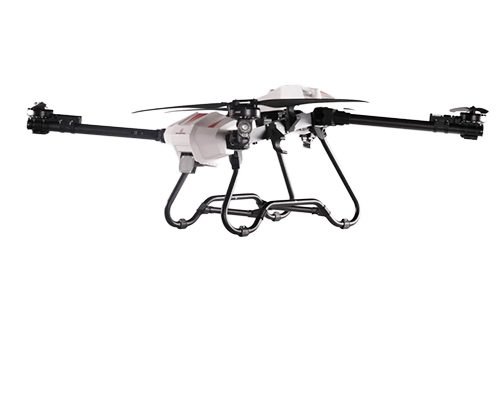
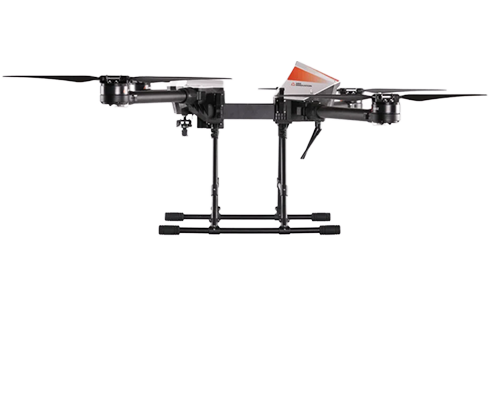
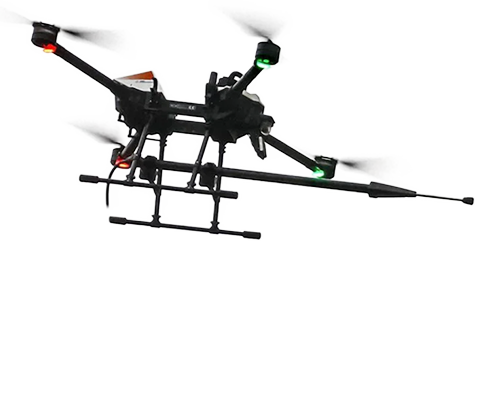
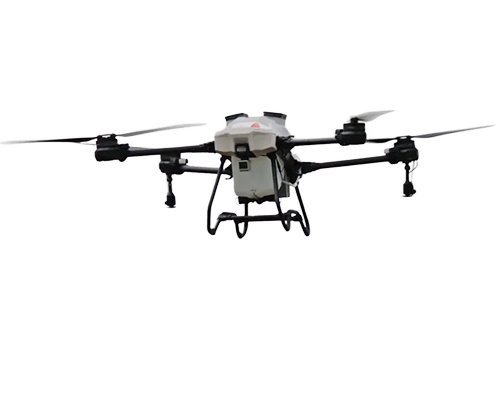
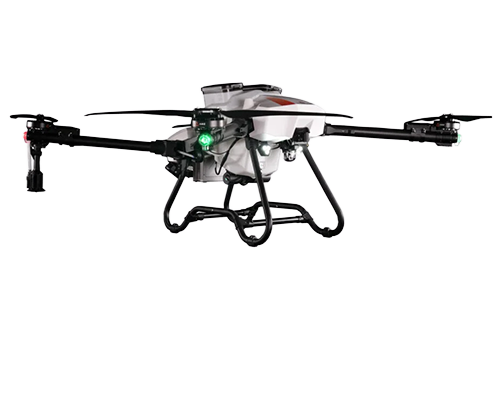
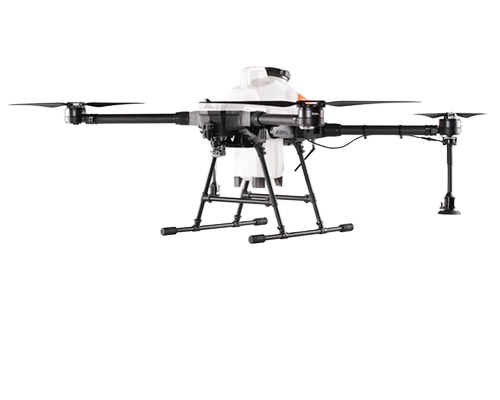
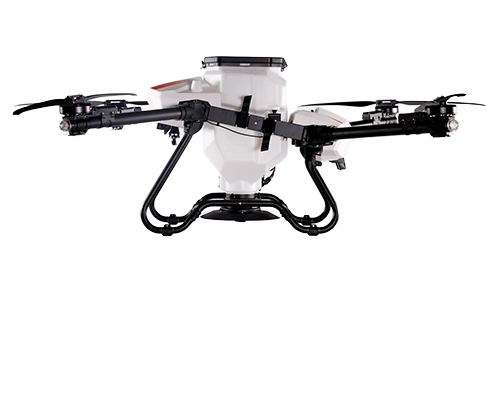
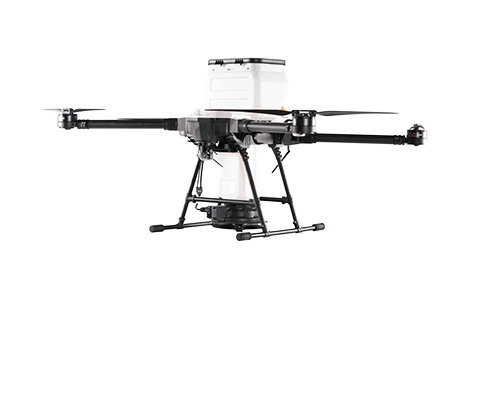
This project demonstrates how aerial seeding can be used to establish cover crops efficiently in wet or sensitive conditions. By removing the need for ground contact, drone operations allow work to continue during narrow weather windows while avoiding soil damage and compaction.
The Situation
Cover crop establishment often follows harvest during periods of unsettled weather when soil conditions are wet and vulnerable to compaction. In these conditions, tractors and seed drills can struggle to access fields without causing damage to soil structure, headlands, and emerging crops.
Delays to cover crop establishment can reduce the agronomic benefits these crops provide. Late planting can lead to poor establishment, reduced biomass production, and limited nutrient capture, undermining the purpose of the cover crop and increasing the risk of soil erosion and nutrient loss.
Farmers are increasingly looking for ways to maintain timely operations without compromising soil health. Traditional machinery-based approaches do not always offer the flexibility required, particularly on heavier land or during short weather windows, creating a need for alternative establishment methods.
Objectives of the Project
- To establish cover crops on time despite wet or restricted ground conditions
- To avoid soil compaction and structural damage caused by machinery traffic
- To achieve uniform seed distribution across fields
- To reduce labour and machinery requirements during establishment
- To protect soil health and support long-term field performance