
A practical, step-by-step guide to securing funding and turning it into measurable farm performance
Most UK farmers don’t struggle with why drone technology matters they struggle with how to pay for it without taking on unnecessary risk. The good news is that today’s funding landscape is increasingly designed to support exactly this kind of transition.
The catch? Grants don’t reward “buying tech.” They reward outcomes efficiency, sustainability, and productivity. If you approach funding with that in mind, your chances of success increase dramatically.
Understand what the Government Is actually funding
Start with a mindset shift. Schemes linked to DEFRA are not typically written as “drone grants.” Instead, they support:
Where drones fit:
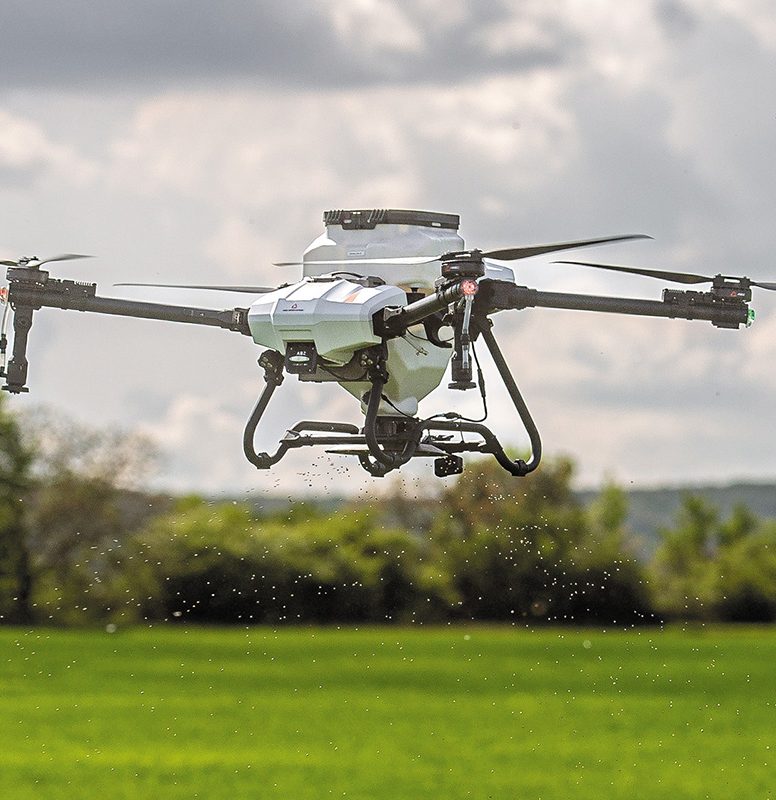
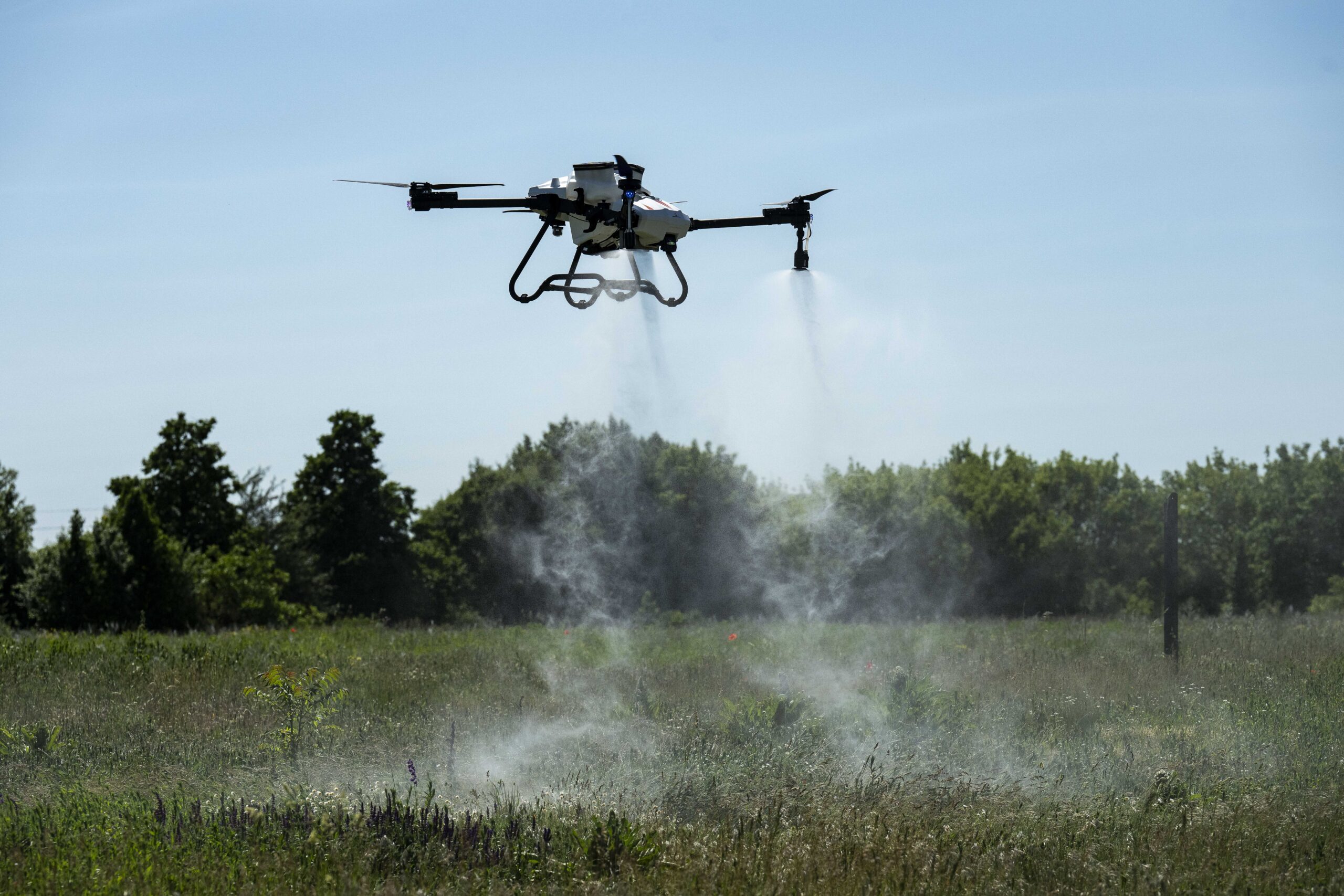
Drone mapping, targeted spraying, and precision application directly contribute to all four.
👉 If your application says “I want to buy a drone,” it’s weak.
👉 If it says “I will reduce chemical usage by 15% using targeted drone application,” it’s compelling.
Identify the most relevant funding schemes
- While schemes evolve, UK farmers should consistently look at:
- Productivity and innovation grants (equipment and technology adoption)
- Environmental land management schemes (linked to sustainability outcomes)
- Regional or pilot programmes (often less competitive and faster to access)
- The key is alignment. If your farm is already participating in sustainability schemes, drone technology can often be positioned as a delivery mechanism for those commitments.
Build a simple, evidence-based business case
This is where most applications fall short—they are too vague.
You need to quantify impact in practical terms:
Example positioning:
Start with a Service Model (even if you plan to buy)
One of the smartest and most overlooked, strategies is to begin with a contractor.
Why this works:
You can then frame your grant application around scaling a proven approach, rather than experimenting with a new one.
Translate technology into outcomes (The Winning Move)
Grant assessors are not evaluating drones—they are evaluating impact.
Structure your proposal around three pillars:
1. Efficiency
2. Sustainability
3. Productivity
Don’t underestimate compliance and practicalities
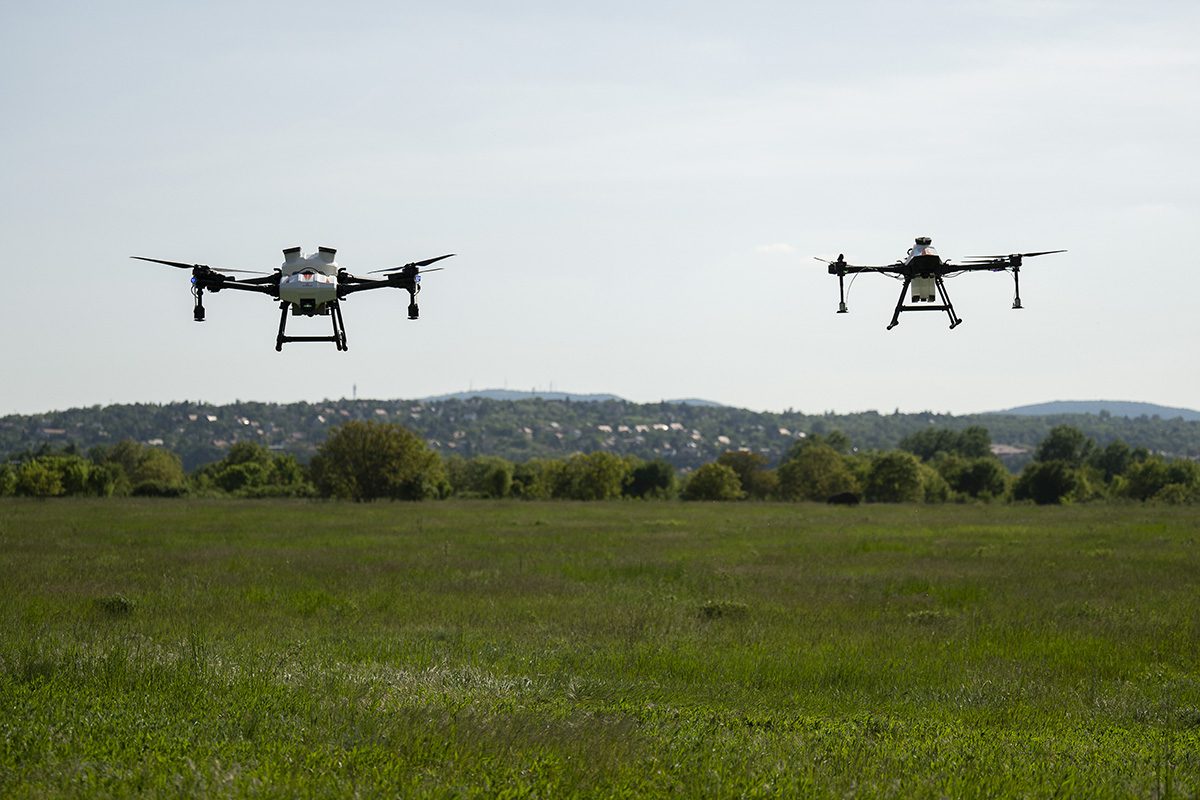
Operating drones in UK agriculture involves regulatory oversight from the Civil AviationAuthority.
Your application should demonstrate awareness of:
Time your application strategically
Funding is not static. Windows open, close, and become oversubscribed quickly.
Practical tips:
Combine Funding with Commercial Logic
Grants should reduce risk—not justify poor investment decisions.
Ask yourself:
Position for the Long Term
The most successful farmers are not applying for a single grant—they are building a roadmap.
Drone technology can evolve from:
Common mistakes to avoid
The Strategic Opportunity
The UK funding landscape is quietly rewarding a new type of farmer: one who can demonstrate measurable outcomes through smarter use of technology.
Drone adoption sits directly in that space.
The real opportunity is not just reducing the cost of adoption—it is accelerating the transition to a more precise, efficient, and resilient farming model.
And in an environment of rising costs, labour constraints, and climate pressure, that transition is quickly becoming less of an option—and more of a necessity.