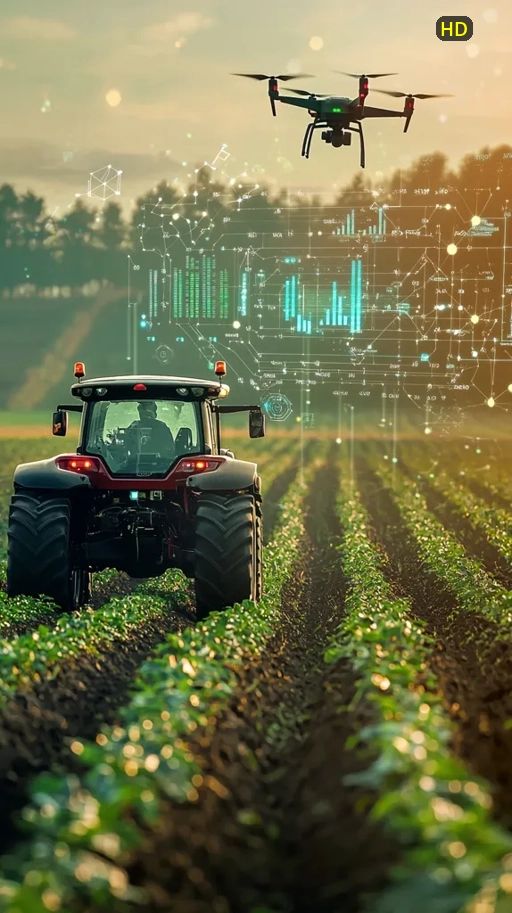
FarmingByDrone Spraying Services give you better timing,
lower costs, and stronger margins
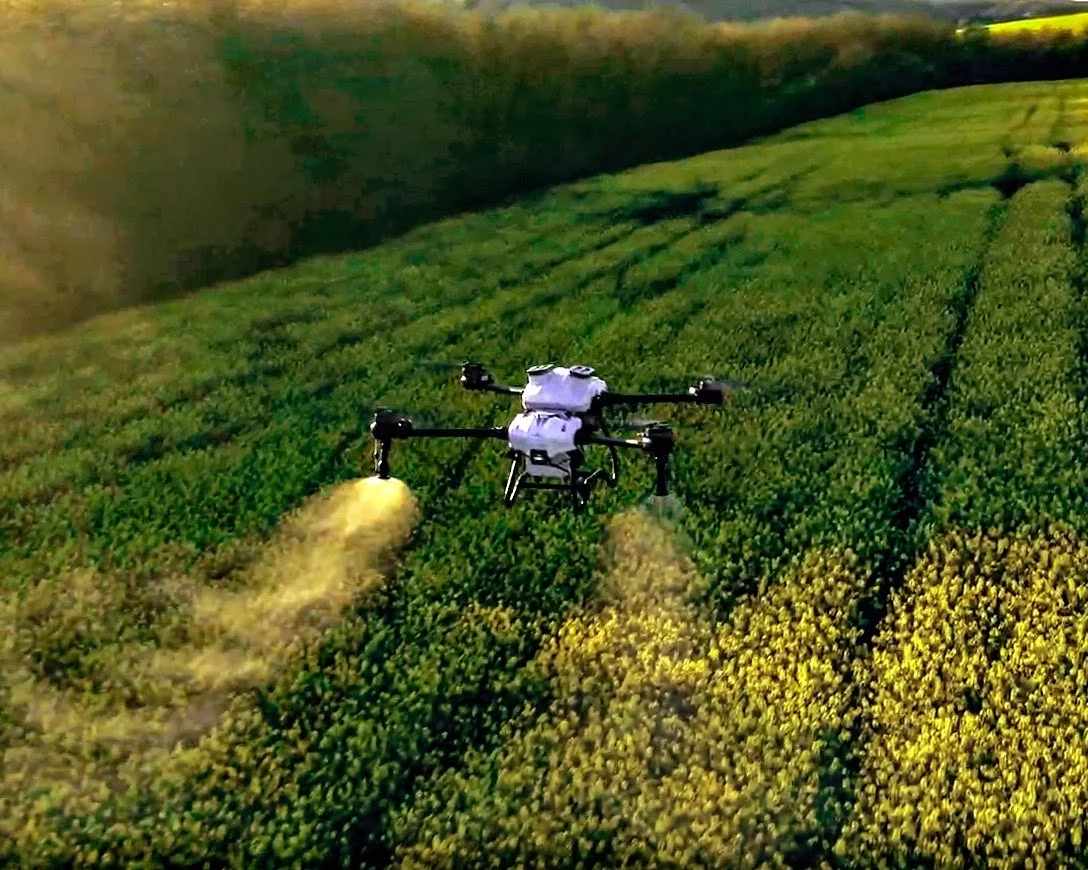
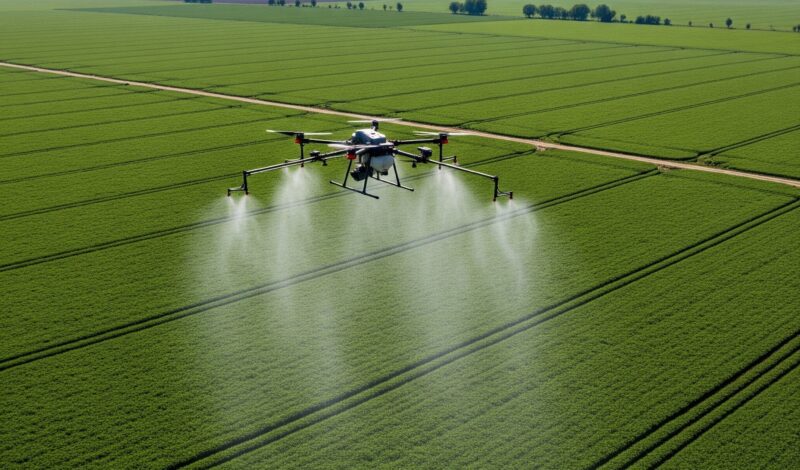
FarmingByDrone specialises in precision drone spraying that complements your existing operations. By combining targeted aerial application with field-level insight, we help you treat the right areas at the right time, protecting yield, reducing waste, and improving overall efficiency.
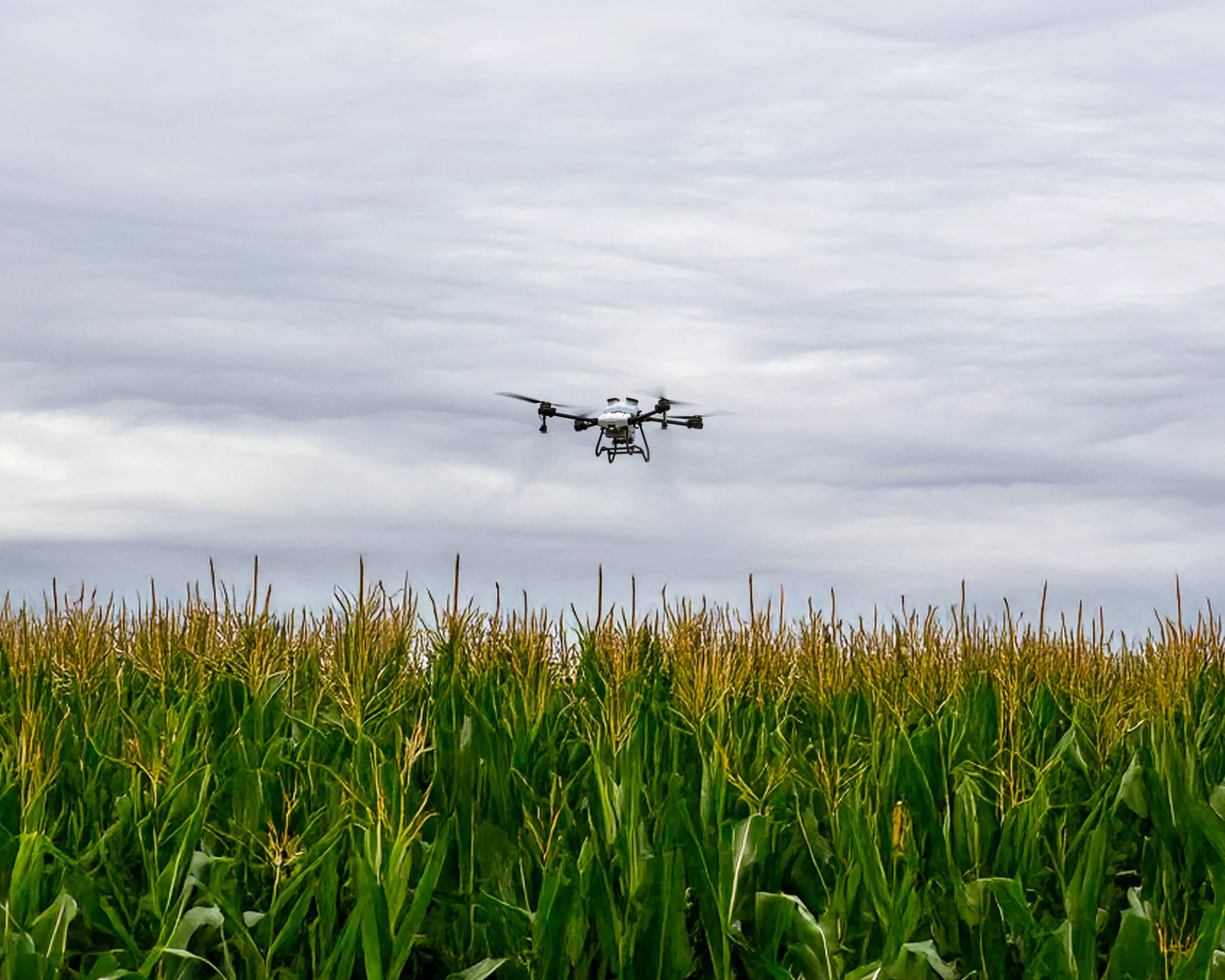
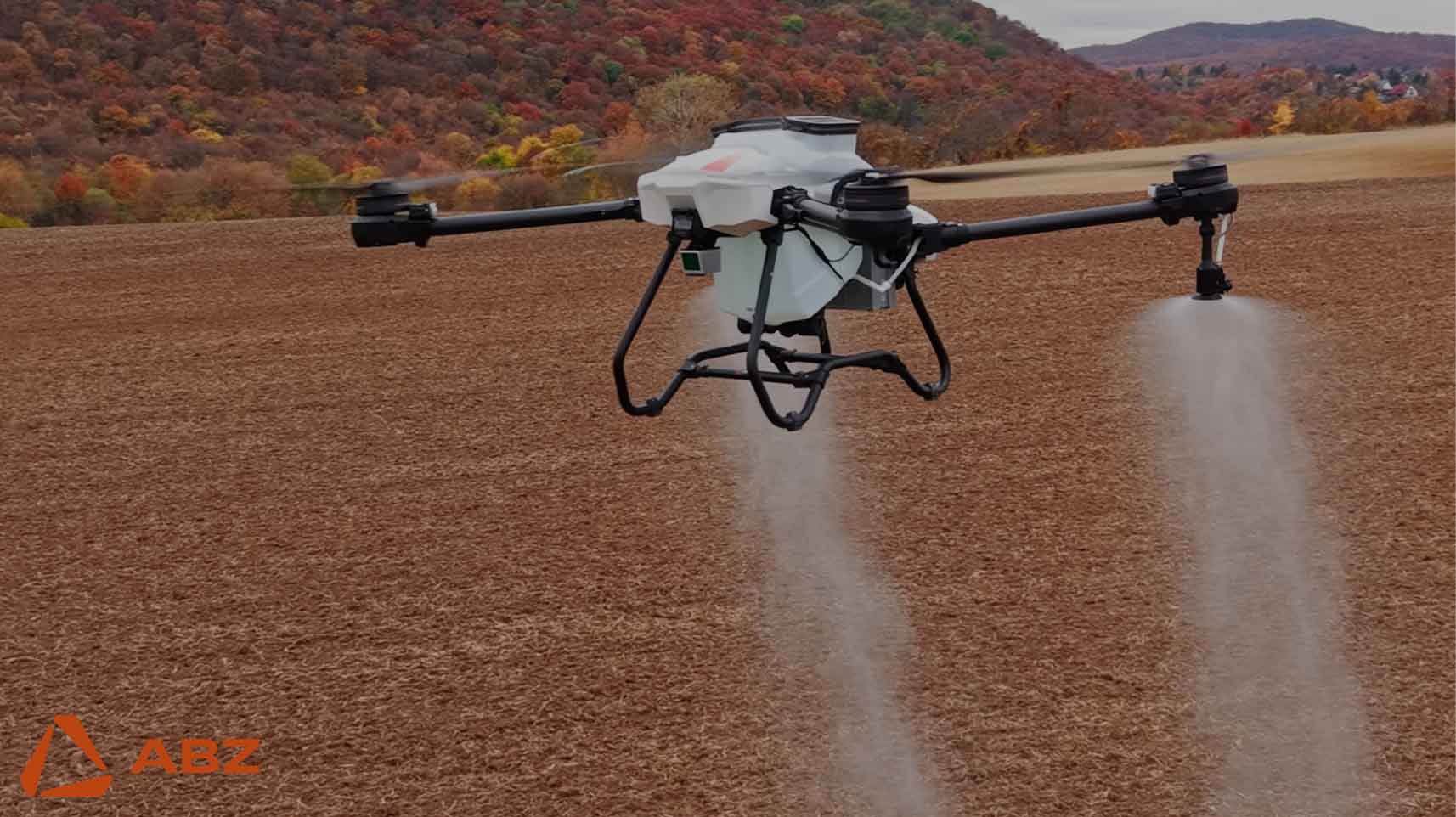
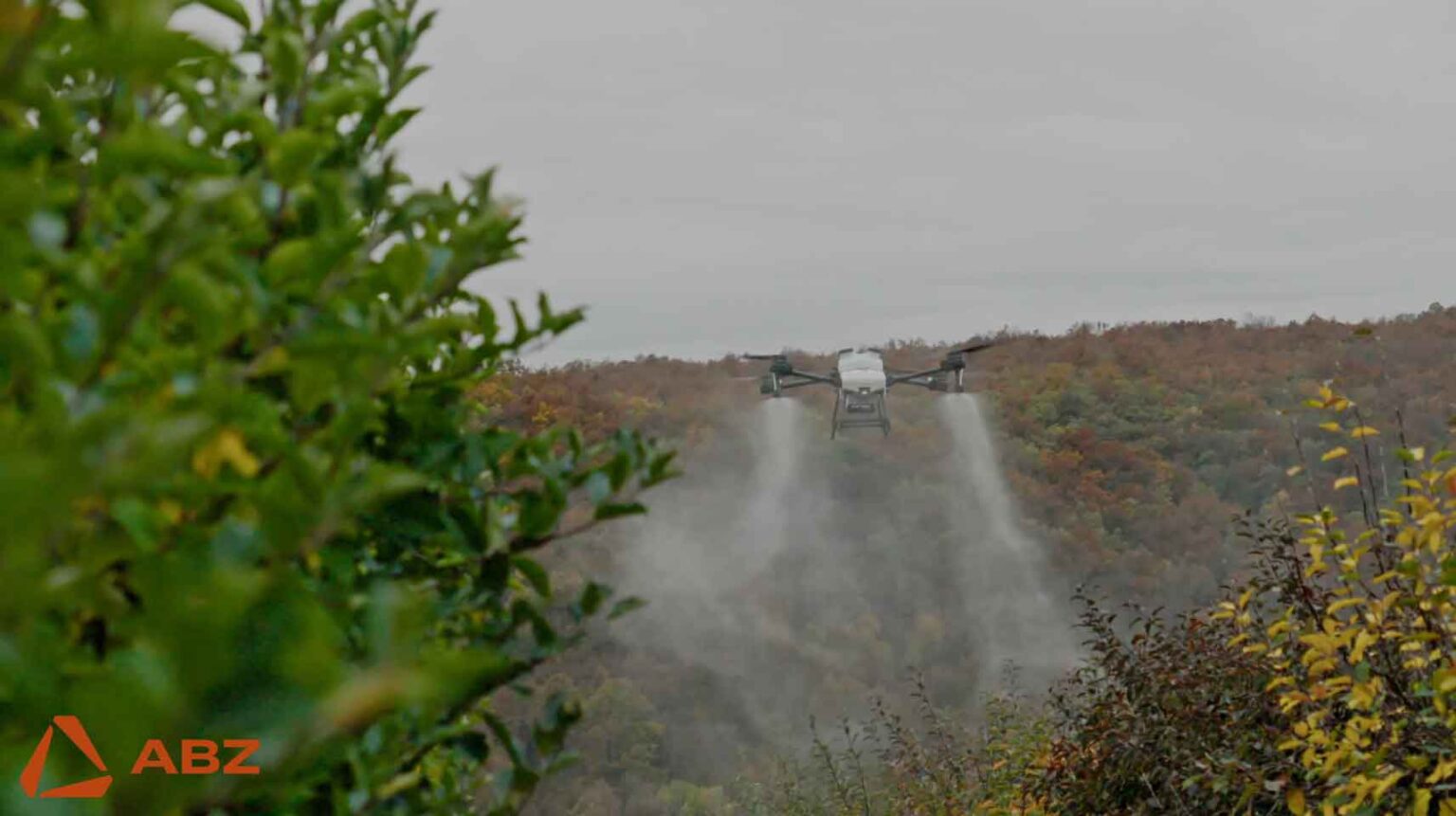
Drone spraying is designed for real-world UK conditions. When wet ground, crop height, or tight spray windows limit access, drones enable you to act without delay. Operating above the canopy, applications are delivered accurately and without soil contact, eliminating compaction and avoiding crop damage.
Service Overview
The focus is not blanket coverage, but precision. Treatments are applied only where needed whether that’s headlands, wet patches, slopes, or zones identified through scouting and mapping. This targeted approach ensures inputs are used more effectively, supporting both crop performance and cost control.
By linking insight directly to action, FarmingByDrone helps you move from reactive spraying to more timely, evidence-based intervention, improving consistency across variable fields and reducing unnecessary passes.
The FarmingByDrone Approach Delivers
Measurable impact of up to:
Note:
Results vary by crop type, field conditions, and how well drone data is integrated into decision-making. Greatest value is typically seen in targeted, high-variability areas, not blanket whole-field replacement Benefits are strongest when combined with mapping, agronomy input, and variable-rate strategies
*Based on industry trials, manufacturer data, and precision agriculture studies comparing drone and conventional methods. Results vary depending on crop, field conditions, and application strategy.
Hybrid Spraying Approaches
FarmingByDrone Drone Spraying Services can also be used as part of a hybrid approach to crop spraying combining drone technology with traditional boom sprayers gives can give you a measurable edge in efficiency, cost control, and crop performance.
Conventional boom sprayers remain the most effective tool for fast, uniform, full field applications. But research and field experience increasingly show that integrating drones alongside them can unlock significant gains.
Drone-based targeted spraying can typically reduce chemical usage by 20–30% by treating only identified problem areas rather than entire fields. In parallel, drone operations can cut water volumes dramatically often applying as little as 10–20 L/ha compared to 100–300 L/ha in conventional systems reducing fill time, logistics, and operational delays.
The efficiency gains are equally compelling. Drone spraying can achieve field efficiencies of 80%+, and in targeted applications, operators can cover 4–6 hectares per hour, particularly in fragmented or difficult terrain where tractors slow down. More importantly, drones eliminate crop trampling and reduce soil compaction, which can typically account for 1–5% yield loss in wheeled operations protecting both yield and long-term soil structure.
A hybrid model allows each system to play to its strengths. Boom sprayers handle the bulkapplication quickly and cost-effectively, while drones are deployed for precision follow-upstreating headlands, wet patches, and disease hotspots. This approach can reduce totalinput costs by 15–25% overall, while maintaining or improving efficacy.
Crucially for UK conditions, drones extend operational windows. When wet ground prevents machinery access, drone deployment ensures critical spray timings are not missed often the difference between effective control and yield loss.
How Hybrid Spraying Approaches can be a winning combination in the filed
The result is a smarter spraying strategy: combining scale with precision, reducing waste, protecting soils, and delivering more consistent yields across every hectare.
Every traditional boom spraying pass you replace with a drone pass can cut your diesel use by up to 70% as well as helping you to minimise soil compression and crop loss from cultivation and wheeling.
Factor
Boom Spraying
Drone Spraying
Wet ground access
Delayed
Immediate
Crop Damage
Yes (tramlines)
None
Soil compaction
High
None
Precision
Moderate
High
Input efficiency
Lower
Higher
FarmingByDrone Spreading Services give you precise application, lower input waste, and stronger margins
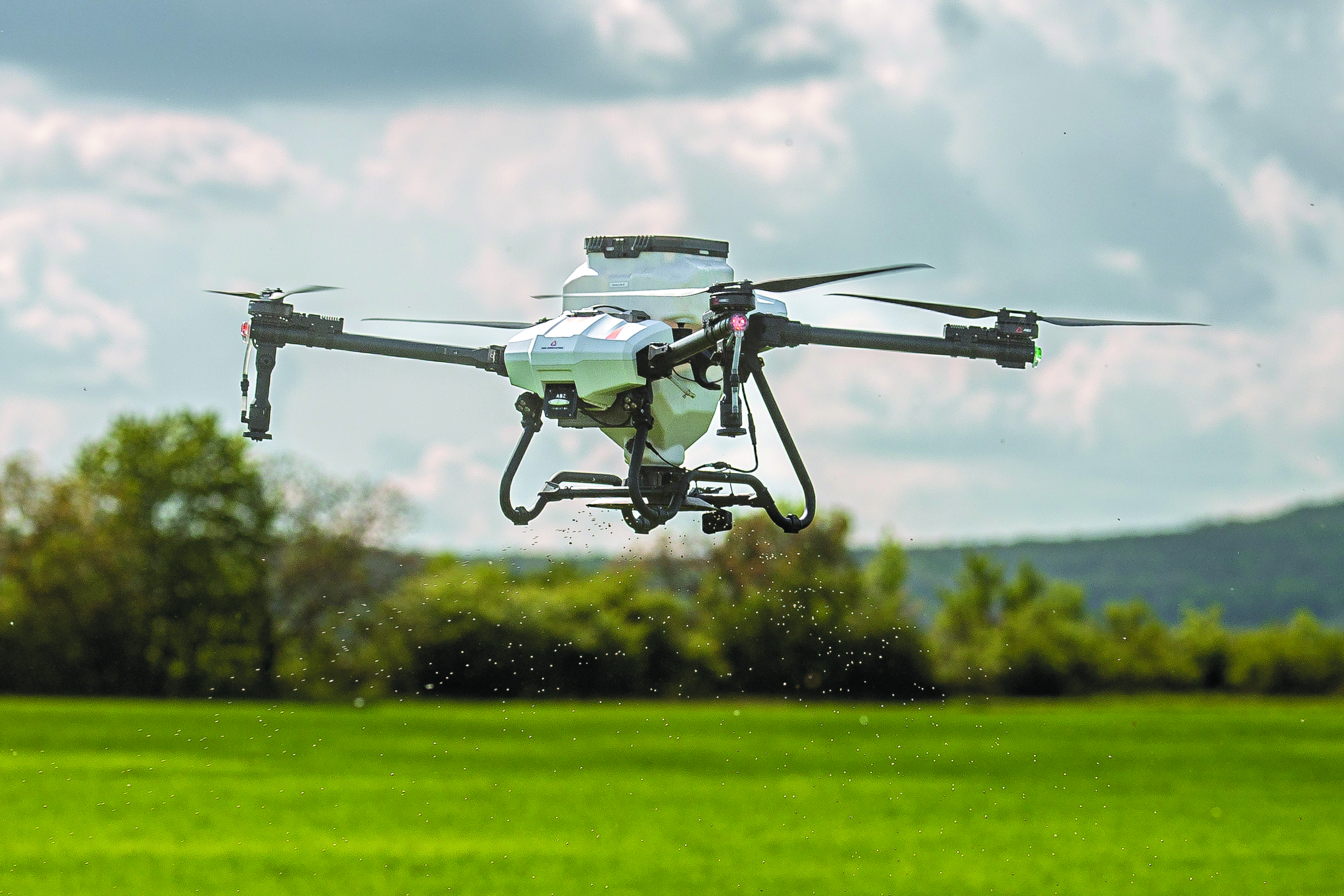
FarmingByDrone specialises in precision drone-based spreading for granulated fertilisers and other inputs, complementing your existing machinery to deliver accurate, timely application where it matters most.
In UK conditions, opportunities to spread can be limited by wet ground, crop growth stage, or restricted access. Drone spreading removes these constraints. Operating above the canopy, drones apply granules without soil contact, eliminating compaction and avoiding crop damage, while enabling you to act within narrow application windows.
The focus is precision, not blanket coverage. Inputs are applied exactly where required, whether that’s variable zones identified through mapping, late-season top-ups, headlands, or difficult-to-reach areas. This ensures fertiliser is used more efficiently, supporting consistent crop development while reducing waste and unnecessary cost.
By linking field insight directly to application, FarmingByDrone helps you move towards a more responsive, evidence-based approach, improving nutrient use efficiency, reducing passes, and maintaining crop performance across variable fields.
The FarmingByDrone Approach Delivers
Measurable impact of up to:
We help you optimise fertiliser use, improve crop consistency, and reduce overall input costs, supporting stronger, more predictable margins.
Note:
Results vary by crop type, field conditions, and how well drone data is integrated into decision-making. Greatest value is typically seen in targeted, high-variability areas, not blanket whole-field replacement. Benefits are strongest when combined with mapping, agronomy input, and variable-rate strategies
*Based on industry trials, manufacturer data, and precision agriculture studies comparing drone and conventional methods. Results vary depending on crop, field conditions, and application strategy.
FarmingByDrone Drone Seeding Services
FarmingByDrone specialises in precision drone-based seeding, helping you establish crops quickly, accurately, and with minimal field impact. Working alongside your existing drilling operations, drone seeding provides a practical solution where access, timing, or conditions limit conventional machinery.
In UK farming, establishment windows are often tight. Wet ground, standing crops, and difficult terrain can delay or restrict drilling, impacting crop performance. Drone seeding removes these barriers. Operating above the field, seeds can be applied without soil contact, eliminating compaction, avoiding crop damage, and enabling timely establishment when it matters most.
The value lies in flexibility and precision. Drone seeding is ideal for targeted applications such as cover crops, catch crops, reseeding patches, or establishing within standing crops ahead of harvest. Seeds can be applied exactly where needed, improving establishment in problem areas and supporting more consistent crop performance across variable fields.
By linking field insight with targeted application, FarmingByDrone supports a more responsive, efficient approach to crop establishment, helping you make better use of time, labour, and inputs while protecting soil structure.
The FarmingByDrone Approach Delivers
Measurable impact of up to:
We help you establish crops more efficiently, improve field consistency, and protect long-term soil health, supporting stronger, more resilient margins.
Note:
Results vary by crop type, field conditions, and how well drone data is integrated into decision-making. Greatest value is typically seen in targeted, high-variability areas, not blanket whole-field replacement Benefits are strongest when combined with mapping, agronomy input, and variable-rate strategies
*Based on industry trials, manufacturer data, and precision agriculture studies comparing drone and conventional methods. Results vary depending on crop, field conditions, and application strategy.